
What Is Asafoetida, and Why Does It Smell So Strong?
Measure the product you own, fry it for seconds, and keep the jar sealed twice.
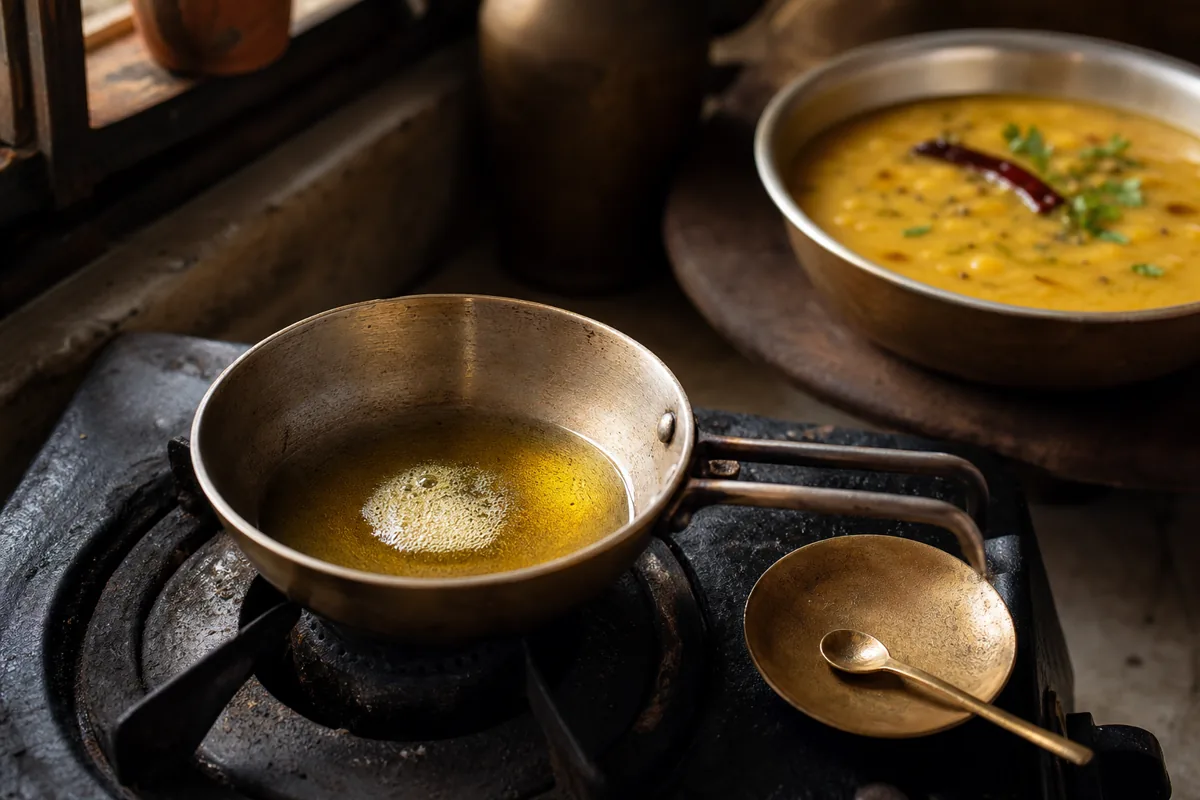
Start with one-sixteenth teaspoon of compounded asafoetida for four servings and fry it in hot fat for a few seconds before wet ingredients enter. Pure resin is much stronger, while raw powder added late can leave a harsh sulfur smell that overwhelms the dish.
What is asafoetida, and why does it smell so strong?
Asafoetida is a dried plant resin with a raw sulfur smell that can resemble boiled eggs, cabbage, or strong garlic. The smell becomes far gentler after the spice cooks in fat.
Producers dry the milky sap of Ferula plants, relatives of carrots and fennel, then sell it as solid resin, ground powder, or compounded hing.
Heat changes and disperses the sulfur compounds behind the forceful jar aroma, leaving a savory note closer to cooked onion, leek, and garlic.
This change is a useful example of spice flavor chemistry. The ingredient you smell dry does not always predict the aroma it produces after heat and fat.
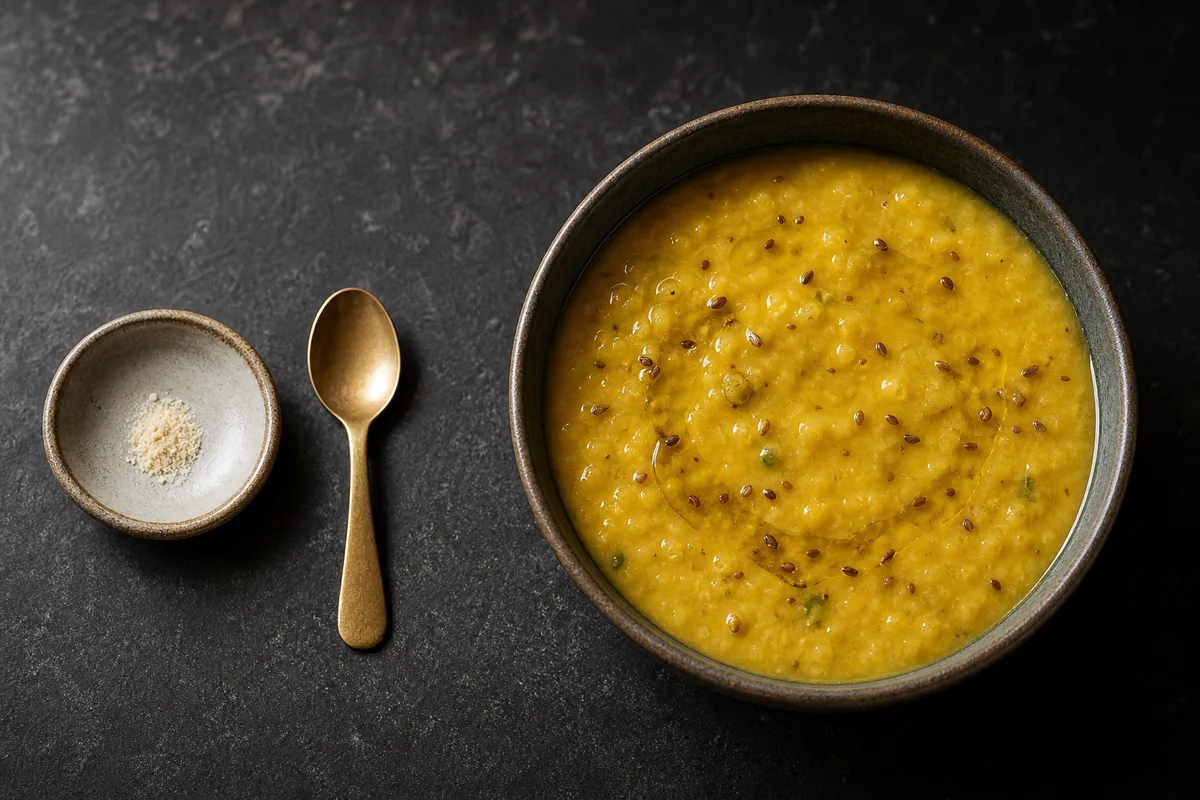
- Dry powder: The aroma is concentrated and can fill the room quickly.
- First contact with fat: The powder foams and disperses through the oil.
- After a few seconds: The harsh edge begins moving toward cooked allium aroma.
- In the finished dish: Hing should support the food rather than announce itself first.
Cooked asafoetida is still distinctive, so heat does not make an excessive dose disappear. It changes the character of the aroma but cannot correct too much powder.
Judge the spice after it has cooked into the dish. Smelling the open jar alone is like judging raw garlic by the sharpness of a cut clove.
Is pure hing different from compounded asafoetida?
Pure asafoetida resin is far more concentrated than compounded grocery-store powder, so the form on the label determines both dose and preparation.
Compounded hing blends ground resin with rice flour, wheat flour, gum arabic, starch, or another carrier. The carrier makes the sticky resin easier to grind, measure, and distribute.
Pure resin may arrive as amber or brown lumps that need crushing.
Some cooks dissolve a tiny piece in warm water, while others grind it with a dry carrier before measuring.
Read the ingredient list because product strength varies. The same label check also reveals wheat flour when gluten matters.
| Form | Strength | Preparation | Main check |
|---|---|---|---|
| Solid resin | Very concentrated | Crush or dissolve a tiny piece | Start below a powder recipe amount |
| Pure ground resin | Very concentrated | Measure with a small spoon | Keep away from moisture |
| Compounded powder | Milder and easier to use | Add directly to hot fat | Check the carrier ingredients |
| Yellow compounded powder | Strength varies by brand | Measure before the pan heats | Color may come from turmeric |
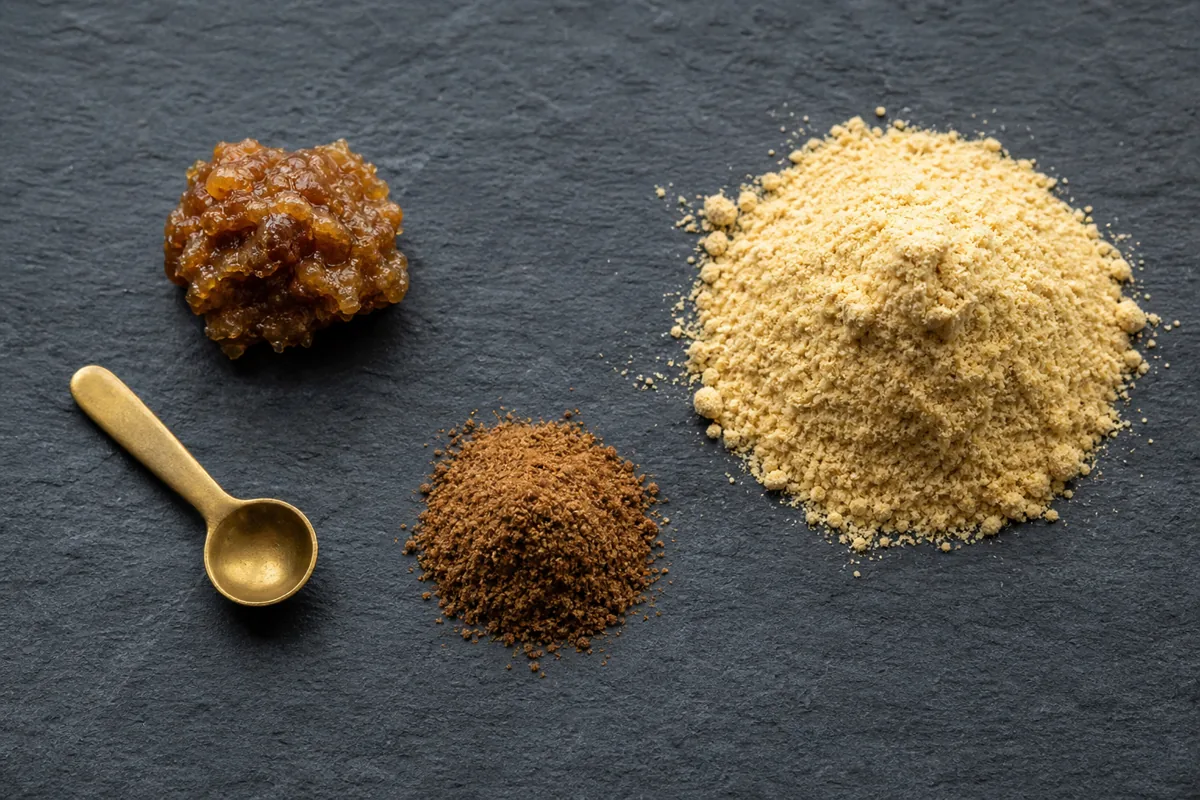
- Resin lump: Break off only a crumb before crushing or dissolving.
- Pure powder: Use a precision spoon because the resin is not diluted.
- Compounded powder: The carrier produces a larger, easier-to-measure serving.
- Ingredient list: Check the first ingredients instead of relying on package color.
For a first jar, compounded powder is the practical choice because it spreads evenly and is harder to overdose. Pure resin suits cooks who already know the strength they want.
How much asafoetida should you use?
Start with one-sixteenth teaspoon of compounded asafoetida for a four-serving pot of lentils, beans, or vegetables.
Measure it instead of estimating a pinch.
A strong compounded powder may need only half that amount, and pure resin needs less again. Check the package directions once, then record what worked for that product.
For eight servings, one-eighth teaspoon of a mild compounded powder is a reasonable ceiling for the first attempt.
The finished dish should smell savory, not like the open container.
- Four servings: Begin with 1/16 teaspoon of compounded hing.
- Eight servings: Begin with 1/8 teaspoon only when the powder is mild.
- Pure resin: Use a crumb smaller than a lentil and adjust next time.
- New brand: Return to the lowest amount because concentration can change.
Tiny quantities make accurate spice measurement especially useful. A one-eighth teaspoon filled halfway is more repeatable than a pinch taken with oily fingers.
If too much hing has already entered a wet dish, increase the unsalted base and simmer it with the lid partly open.
Extra chile or salt will not cancel the sulfur aroma.
Stop increasing the dose once the dish tastes fuller but no longer smells distinctly of hing.
Asafoetida works best as a background note.
Why should asafoetida be cooked in hot fat?
Cook asafoetida in hot fat because the fat spreads the concentrated resin and brief heat softens its raw sulfur edge. Adding it straight to broth leaves the aroma less changed and less even.
Heat oil or ghee until it moves easily but does not smoke. Add measured hing and stir for about five to ten seconds.
The powder may foam and darken slightly as it disperses.
Add the next dry spice or the prepared food before the hing turns dark brown.
- Before cooking: Measure the hing and keep the next ingredient beside the stove.
- Oil ready: The fat shimmers gently without smoking.
- Hing enters: Stir for a few seconds until the raw smell softens.
- Stop the fry: Add lentils, vegetables, or another prepared ingredient before scorching.
This brief step follows the same principle as blooming spices in oil, but fine hing burns faster than whole cumin or mustard seed.
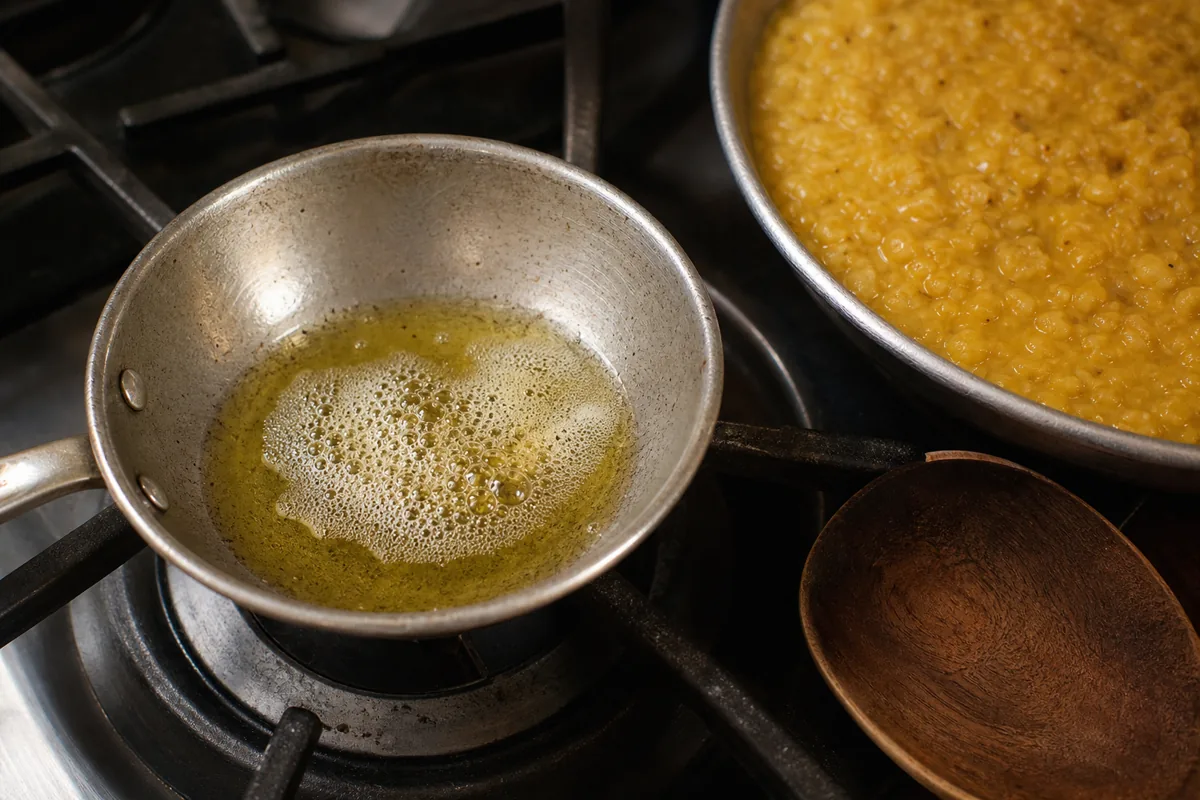
- Measured dose: Hing is ready before the burner turns on.
- Small fat pool: Concentrated resin disperses without dry spots.
- Short bloom: The powder gets seconds, not minutes, over direct heat.
- Next ingredient ready: Food cools the pan before the hing burns.
Blackened hing tastes bitter and medicinal. Replace the fat if it scorches because diluting burned spice through the pot spreads the problem.
When a recipe starts with whole cumin seed, let it finish first.
The same timing applies to whole mustard seed.
Add hing near the end of the hot-fat stage.
Which dishes benefit from hing?
Hing works best in lentils, beans, and vegetables that benefit from a quiet onion-garlic savor. It is common in several Indian regional traditions but is not required in every curry.
Dal and bean dishes give the spice enough moisture and volume to spread. A final hot-fat seasoning can carry hing across the surface before it is stirred through.
Potatoes, cauliflower, cabbage, okra, and peas can take a smaller dose at the start of cooking. Pairing it with ground turmeric or cumin builds color and roast aroma without adding more hing.
Some pickles and chutneys use a trace for savory depth. In these foods, the acid and salt are already strong, so excess hing becomes obvious quickly.
| Dish family | When to add it | What it contributes |
|---|---|---|
| Dal and beans | Briefly fry in finishing fat | Cooked allium-like savor |
| Potatoes and cauliflower | Bloom before vegetables enter | Aromatic background |
| Okra and cabbage | Add after whole seeds | Savory lift without moisture |
| Pickles and chutneys | Use a trace in the seasoning | A deeper fermented or savory note |
The Indian spice pantry contains many regional choices, so absence of hing does not make a dish inauthentic.
Follow the particular dish rather than adding it automatically.
Delicate dairy desserts, simple steamed rice, and fresh salads rarely need it. Its strongest benefit appears where cooking can transform and distribute the resin.
Can asafoetida replace onion and garlic?
Cooked asafoetida can replace part of the aroma people expect from onion and garlic, especially in lentils and vegetable dishes. It cannot replace their bulk, sweetness, or browned texture.
Use the normal low dose of hing instead of adding more to chase a stronger allium flavor. Too much creates sulfur heat without producing caramelized onion sweetness.
Build missing body with fennel, celery, cabbage, or extra vegetables when they suit the recipe.
Slow browning can replace some of the sweetness that onion would have supplied.
Ginger, cumin, black pepper, and fresh herbs can round out the dish, but each changes its direction. Choose one or two rather than piling seasonings around the missing alliums.
People avoid onion and garlic for different religious, digestive, or personal reasons.
Check whether compounded hing contains wheat or other ingredients that matter to the same eater.
Expect a related savory aroma, not a perfect imitation. The food will taste more balanced when hing supports its main ingredients instead of trying to become onion.
What can you substitute for asafoetida?
There is no exact asafoetida substitute because its cooked allium aroma and resin character arrive together. Choose the replacement according to what the dish can accept.
For cooks who eat alliums, sautéed garlic and onion are the closest everyday answer.
Add them earlier and allow enough time for their water to cook away.
Garlic powder can supply a dry shortcut, but it burns quickly in hot fat. Mix it into wet food or add it after the pan cools below the whole-spice frying stage.
| Need | Best choice | Starting move | Difference |
|---|---|---|---|
| Cooked allium aroma | Garlic plus onion | Sauté 1 tablespoon total | Adds sweetness, bulk, and moisture |
| Gentle onion note | Leek or chive | Cook 2 tablespoons | Milder and greener |
| Dry savory seasoning | Garlic powder | Start with 1/8 teaspoon | No resin character |
| Alliums must be avoided | Omit hing and brown suitable vegetables | Taste before adding more spice | Less sulfurous savor |
Use the broader spice substitution guide to protect texture, moisture, and timing as well as aroma. One ingredient rarely replaces every effect of another.
Do not substitute an equal volume of garlic powder for compounded hing. Garlic powder is less concentrated in aroma but occupies a different place in the cooking sequence.
Omission is cleanest when the recipe uses only a trace of hing and the main ingredients already taste complete. Add salt and acid correctly before deciding the dish lacks another spice.
How can you tell whether your hing still works?
Old asafoetida goes quiet rather than rancid, which is why a jar can sit unquestioned for years.
Open it away from your face and take one short sniff. A working jar still pushes out a sharp sulfurous note you would not want lingering in the room.
If it smells mostly of the wheat or rice flour carrier, the resin has faded. Doubling the dose then adds starch and dullness instead of the savory depth you wanted.
The cooked test is more honest than the raw one.
Bloom a pinch in hot oil and smell the pan. Working hing turns leek-like within seconds, while a spent jar only smells toasted.
Buy small.
A tub that lasts three years was always too big for one kitchen, and hing fades faster than most ground spices once the seal is broken.
How should you store asafoetida so the smell stays contained?
Store asafoetida in a tightly sealed glass jar placed inside a second airtight container. One ordinary screw lid often allows enough odor to perfume a cabinet.
Keep the inner jar small so little air enters each time it opens.
Wipe powder from the rim because trapped grains can prevent a clean seal.
A lidded glass box or gasketed food container makes a useful outer barrier. Do not rely on a thin plastic bag, which can absorb and release the smell.
Place both containers in a cool, dark cabinet away from stove steam. The general rules for storing dry spices still protect hing from moisture and heat.
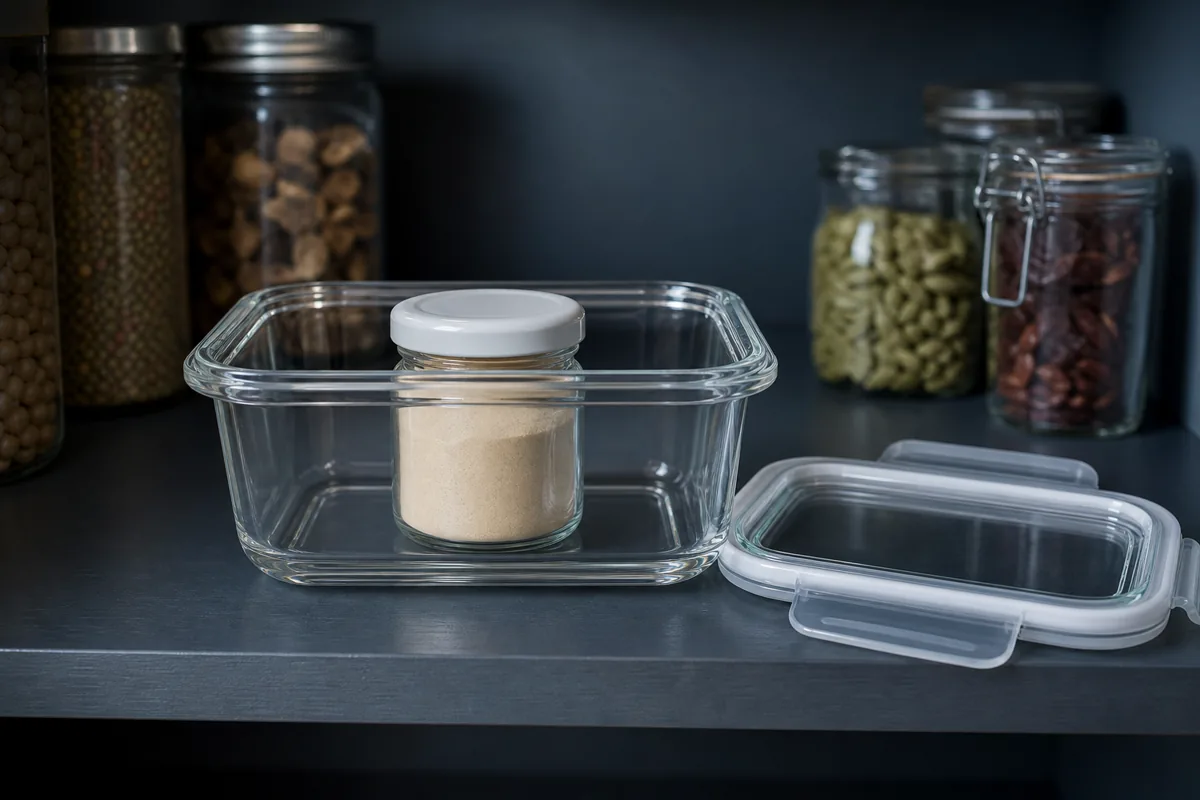
- Clean rim: Loose powder cannot interrupt the inner seal.
- Glass inner jar: A nonporous container holds the working supply.
- Gasketed outer box: A second barrier limits odor transfer.
- Cool cabinet: Distance from heat and steam protects the powder.
Fresh hing should still smell strong when opened and turn savory in hot fat.
A weak jar may need replacement, but increasing the dose can expose stale or dusty notes.
Discard powder that is damp, moldy, infested, or musty. Clumping from a humid spoon is a warning to inspect the container and the rest of the cabinet.
Buy a small jar from a seller that lists the form and ingredients. Those online buying checks matter more than a large bargain package that takes years to finish.