
What Is Mahlab, and Which Breads Actually Need It?
Grind a few kernels, measure a level spoon, and let the dough carry the aroma.
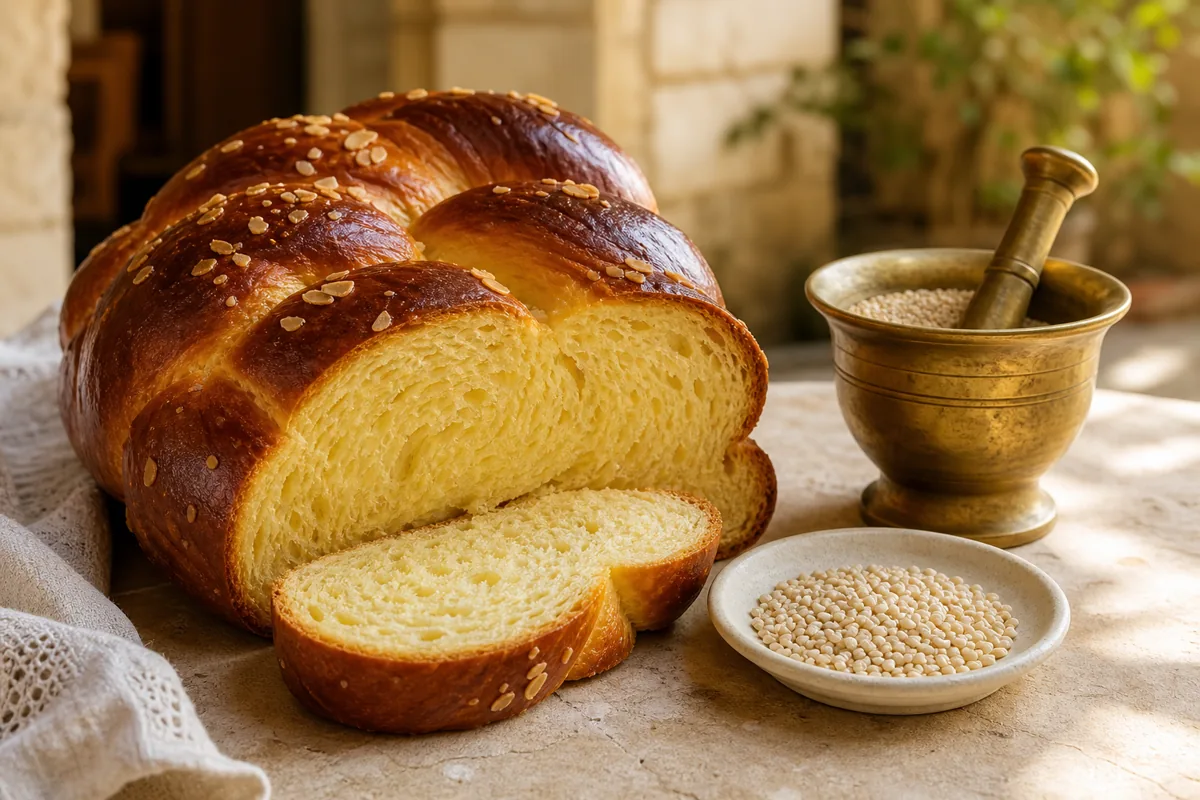
Mahlab is the kernel inside the stone of the St Lucie cherry, with cherry, almond, floral, and faintly bitter notes. Start with one level teaspoon per 500 grams of flour, grind whole kernels shortly before mixing, and store any reserve cold because stale or excessive mahlab makes bread taste harsh.
What is mahlab made from?
Inside the hard stone of the St Lucie cherry, Prunus mahaleb, sits the pale kernel used as mahlab. It is not dried cherry flesh or ordinary ground almond.
Producers crack the large stones of the small dark cherries, then dry the kernels and sell them whole or ground.
Whole mahlab kernels are small, cream-colored, and shaped a little like tiny almonds. Ground mahlab is a pale beige powder that can clump as its oils emerge.
The relationship between form and aroma resembles other whole and ground spices. An intact kernel protects volatile flavor better than exposed powder.
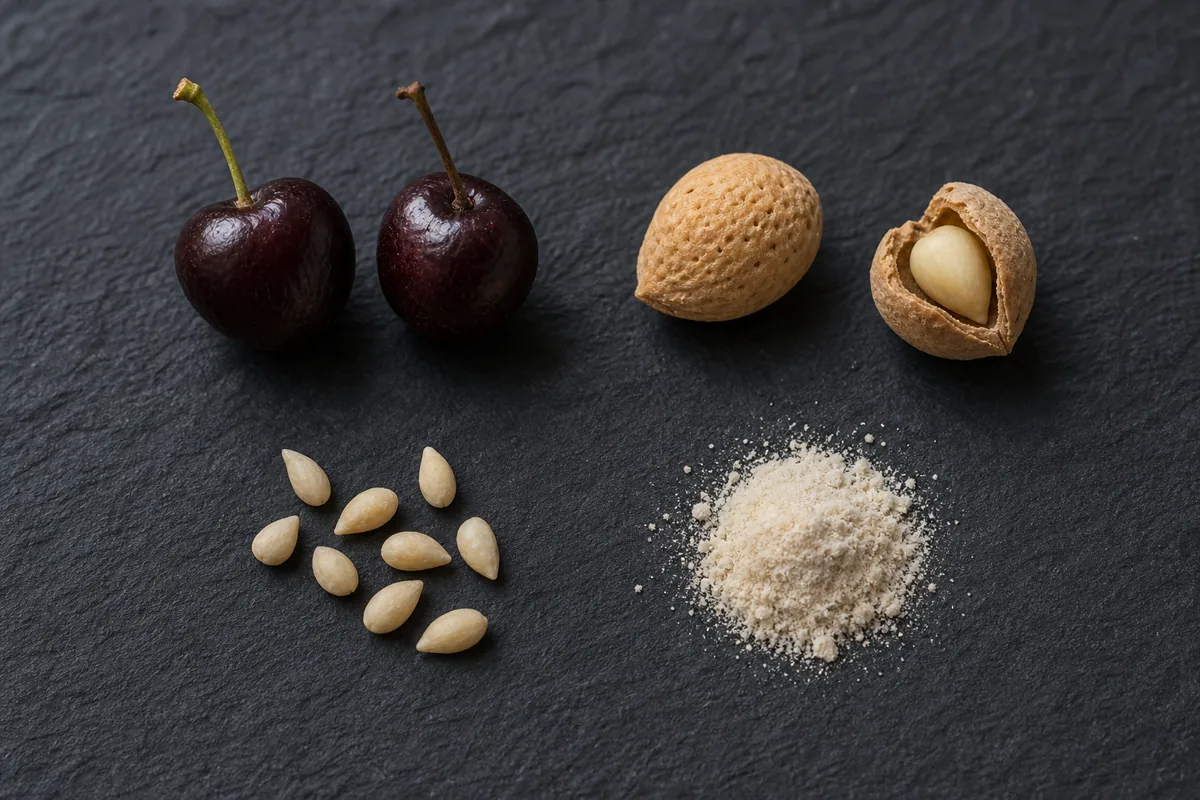
- Fruit: The small dark cherry is not the spice sold for baking.
- Stone: A hard shell protects the aromatic center.
- Kernel: The pale center is dried and used in small amounts.
- Powder: Grinding exposes oils and starts a faster aroma decline.
Buy culinary mahlab from a spice seller instead of cracking ornamental cherry pits. A commercial food product gives you the identified ingredient and a practical form.
Treat mahlab as a measured spice, not a snack or nut flour. Its flavor and bitterness are concentrated enough to season a full batch of dough.
What does mahlab taste like?
Expect sour cherry, almond, floral spice, vanilla, and a faint bitter edge. The aroma is more delicate than almond extract and less sweet than marzipan.
Flour, butter, eggs, and sugar spread the strong aroma of freshly ground kernels into a rounded baked fragrance.
Heat softens the raw kernel bitterness while preserving enough cherry-almond character to perfume bread. Long high heat can flatten the top notes.
The same flavor chemistry that makes stone-fruit kernels smell almond-like gives mahlab its recognizable direction. Cherry fruit flavor remains only one part of the impression.
| Cue | Likely cause | Best response |
|---|---|---|
| Cherry-almond aroma | Fresh, balanced amount | Bake as planned |
| Pleasant faint bitterness | Normal kernel character | Balance with dough richness |
| Harsh bitter finish | Too much mahlab | Increase the unseasoned dough if possible |
| Dusty or oily-rancid smell | Stale ground spice | Replace the mahlab |
Taste a crumb of the baked item rather than raw powder alone. The intended flavor appears after the kernel is diluted through flour and cooked.
A good loaf should smell intriguing before a diner can name mahlab. If bitterness is the first clear impression, the dose or freshness needs correction.
How much mahlab should you use in bread?
Start with one level teaspoon of ground mahlab for 500 grams of flour. That ratio perfumes an enriched loaf without making bitterness the main flavor.
Begin with three-quarters teaspoon when freshly ground kernels smell especially vivid, then record the amount that suits the product.
For a small dough made with 250 grams of flour, start with one-half teaspoon. Measuring against flour is more reliable than counting loaves of different sizes.
- 250 grams flour: Start with 1/2 teaspoon ground mahlab.
- 500 grams flour: Start with 1 level teaspoon.
- 1 kilogram flour: Start with 2 level teaspoons.
- Very fresh kernels: Reduce the first batch by about one-quarter.
A level spoon measurement matters because a heaped teaspoon can add far more powder than it appears to hold. Mahlab does not fade safely into the background when doubled.
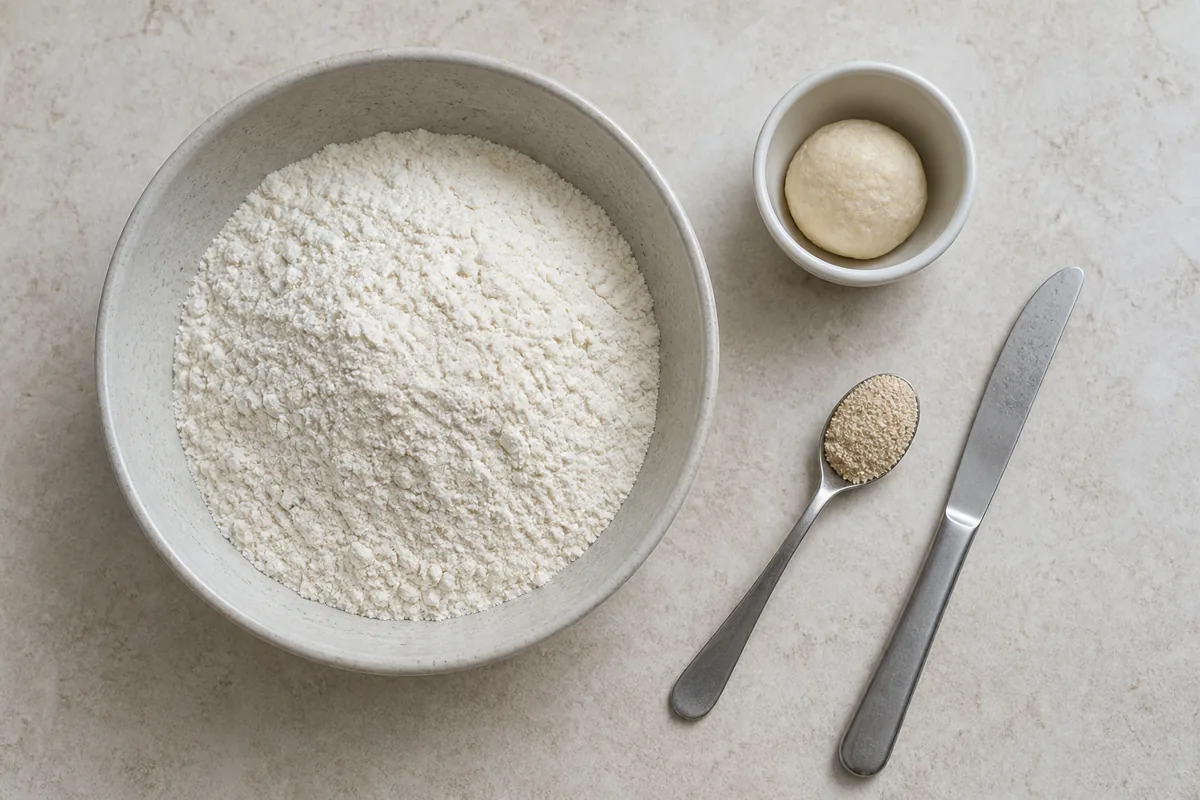
- Level spoon: Sweep the top flat instead of estimating a heap.
- Flour reference: Scale the spice with the flour weight.
- Test dough: A small portion reveals the aroma before a large bake.
- Next-batch note: Record the kernel form and exact amount.
When raw dough already smells bitter rather than floral, do not expect baking to erase a major overdose. Increase the plain dough before shaping if the formula allows.
The final target is a clear aroma in the warm crumb and only a gentle bitter echo. Sugar should balance mahlab, not hide a careless amount.
Which breads and pastries use mahlab?
Enriched celebration breads and cookies from Greece, Armenia, Turkey, Cyprus, and the eastern Mediterranean often use mahlab. Family and regional formulas vary, so the spice is common without being mandatory.
Greek tsoureki may combine mahlab with mastic, citrus peel, or green cardamom in a rich egg-and-butter dough.
Armenian choreg or choereg often uses mahlab in a braided or roll-shaped enriched dough. Sesame or nigella on the crust can add a savory contrast.
Turkish paskalya çöreği also uses mahlab in a braided festive bread. Some Cypriot and Levantine cookies, rusks, and filled pastries use smaller amounts.
| Bake | Structure | Common partners | Mahlab role |
|---|---|---|---|
| Tsoureki | Rich braided bread | Citrus, mastic, cardamom | Floral cherry-almond aroma |
| Choreg | Enriched rolls or braid | Sesame, nigella, butter | Sweet-savory kernel note |
| Paskalya çöreği | Braided festive bread | Sugar, eggs, dairy | Distinct holiday aroma |
| Cookies and rusks | Crisp or tender dough | Butter, sesame, citrus | A restrained aromatic accent |
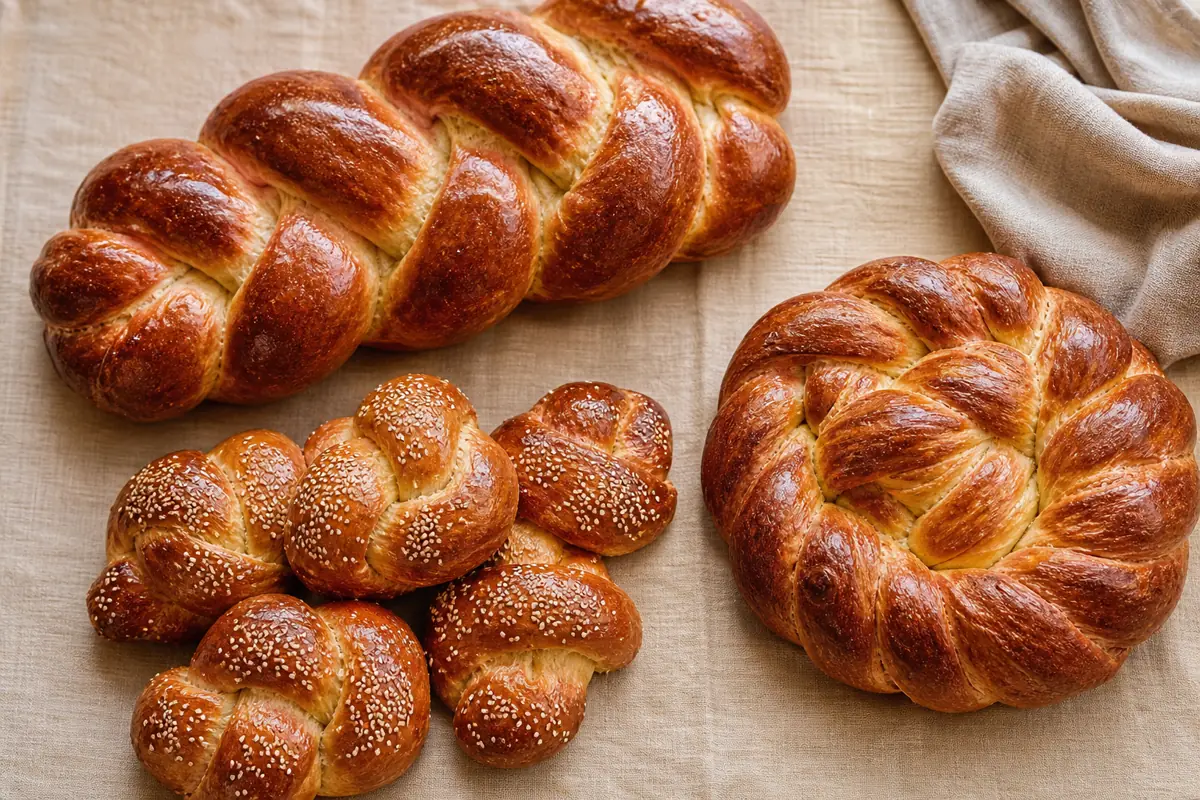
- Greek braid: Citrus and other aromatic spices may join mahlab.
- Armenian rolls: The dough can lean sweet or lightly savory.
- Turkish loaf: Rich dough carries the kernel aroma through a soft crumb.
- Recipe variation: Household formulas decide the final spice partners.
Use the specific recipe as the authority for shape, proofing, and partner spices. Mahlab identifies an aromatic tradition but does not make the breads interchangeable.
Should you grind whole mahlab fresh?
Grind whole mahlab shortly before mixing whenever possible. The intact kernels keep their aroma longer, while powder exposes more oil to air.
Pulse a few kernels in a small electric grinder until the powder is fine enough to disappear through the flour.
For a mortar, add a teaspoon of recipe sugar or flour to reduce oily clumping. Grind only the quantity the dough needs.
The home spice grinding guide helps match particle size to the food. Mahlab needs a fine grind because coarse kernel pieces create bitter hard spots.
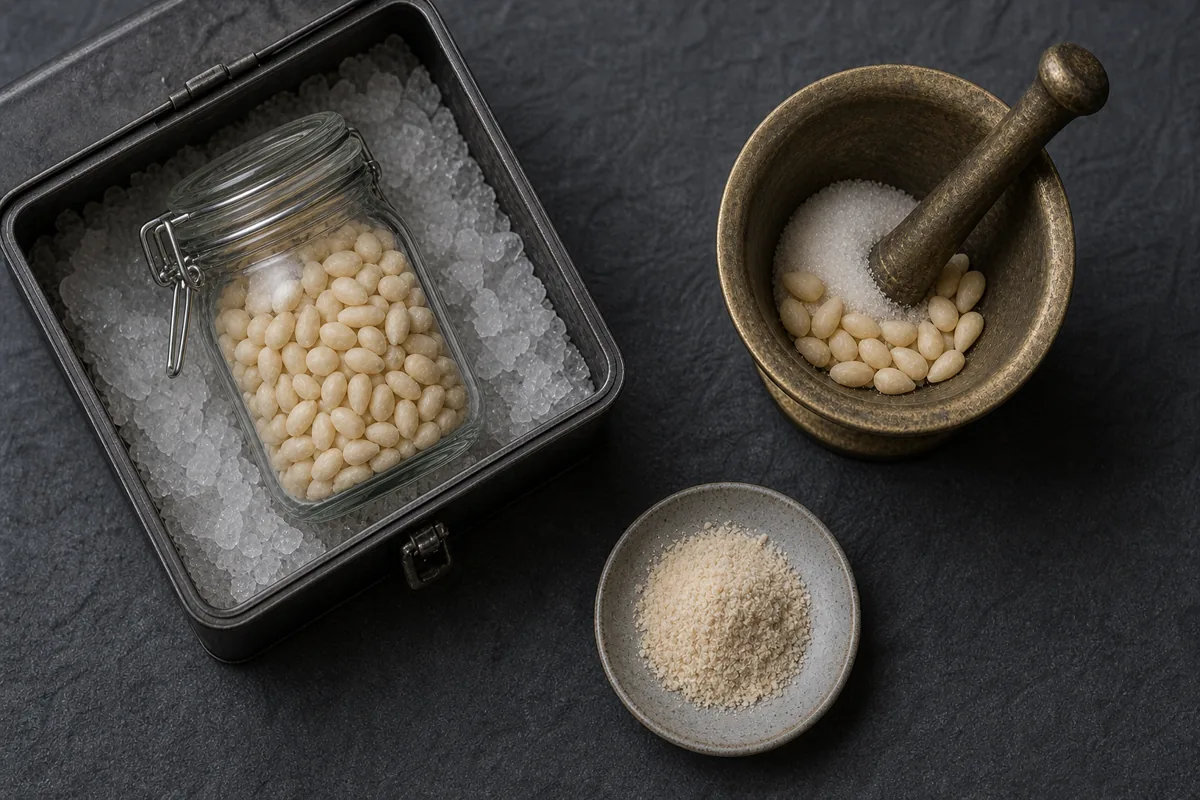
- Small batch: Grind only what the current dough needs.
- Short pulses: Avoid heating the oily kernels in the grinder.
- Fine texture: Powder should distribute without gritty pieces.
- Cold reserve: Keep unused kernels sealed away from warm air.
Do not toast mahlab heavily before grinding. The spice toasting method suits many seeds, but strong dry heat can drive off this kernel aroma and sharpen bitterness.
Clean the grinder after use because the almond-cherry oils can scent the next spice. Dry rice or sugar can help collect residue before normal washing.
Can mahlab be used outside sweet bread?
Cookies, biscuits, puddings, fruit desserts, cheese pastries, and a few savory foods can take mahlab. Keep the amount smaller when flour is not available to spread it.
Shortbread and butter cookies reveal the cherry-almond aroma clearly. Start with one-quarter teaspoon per cup of flour and adjust after a test bake.
Rice pudding, custard, and ice cream can take a small pinch. Dairy softens bitterness, while cherry, plum, and apricot echo the stone-fruit note.
A trace can work in cheese pastry, breadsticks, or a rich meat mixture, but mahlab should not make the dish taste like dessert. Black pepper, sesame, or nigella can pull it toward savory food.
| Food | Starting amount | What to watch |
|---|---|---|
| Cookies with 1 cup flour | 1/4 teaspoon | Bitterness concentrates in a dry crumb |
| 2 cups rice pudding | A small pinch | Taste after chilling |
| Fruit filling | A small pinch per 2 cups fruit | Stone fruit may need less |
| Cheese pastry | 1/8 teaspoon per batch | Keep the result savory |
Use a test portion when leaving traditional formulas. The kernel aroma changes with fat, sugar, serving temperature, and the amount of flour or dairy.
What is the best substitute for mahlab?
The best mahlab substitute combines a tiny amount of almond extract with a cherry element. Neither ingredient alone recreates the floral spice and faint bitterness.
For one teaspoon of mahlab, start with one-eighth teaspoon almond extract plus one teaspoon finely chopped dried sour cherry. Reduce other liquid only if the dough is very small.
A small amount of cardamom adds floral citrus when cherry is unavailable. Use one-quarter teaspoon and expect a brighter, more recognizable spice flavor.
Anise or star anise can add sweet aromatic lift, but they move quickly toward licorice. Use only a pinch and do not call the result a direct match.
| Need | Substitute | Starting amount | Difference |
|---|---|---|---|
| Cherry-almond aroma | Almond extract plus dried sour cherry | 1/8 tsp plus 1 tsp | Lacks faint floral bitterness |
| Floral baking spice | Ground cardamom | 1/4 teaspoon | More citrus and eucalyptus |
| Almond direction only | Almond extract | 1/8 teaspoon | Sharper and less complex |
| Sweet aromatic lift | Tiny pinch of anise | Less than 1/8 teaspoon | Adds licorice flavor |
Follow the spice substitution guide by rebuilding the main aroma without copying the original volume. Extracts are far more concentrated than ground kernels.
Omit mahlab when it is a quiet background note and the substitute would redirect the loaf. Citrus zest and the recipe spices may already make the bread aromatic enough.
How should you store mahlab?
Store mahlab airtight, dark, and cool, with whole kernels separated from any working powder. Its oils make freshness more important than appearance.
Keep a small jar of whole kernels in a cool cabinet when you bake often. For slower use or a large reserve, refrigerate or freeze the sealed kernels.
Ground mahlab loses aroma faster and can turn stale or rancid. Buy a small amount, or freeze a tightly sealed packet and return it before condensation forms.
Use the general dry spice storage rules, but give oily kernels extra protection from warmth. Never store the jar beside the oven.
Smell the spice before it reaches the flour. Fresh mahlab suggests cherry and almond, while stale powder smells dusty, waxy, or like old nuts.
Discard mahlab with a rancid, musty, moldy, or insect-damaged smell. More sugar cannot repair oxidized oil.
Choose sellers that identify whole or ground form and show a recent pack date. The online buying checks favor a small fresh packet over a cheap bulk bag.
Label a frozen reserve with the purchase date and keep the working amount small. Repeated warming exposes the entire supply to moisture and air.