
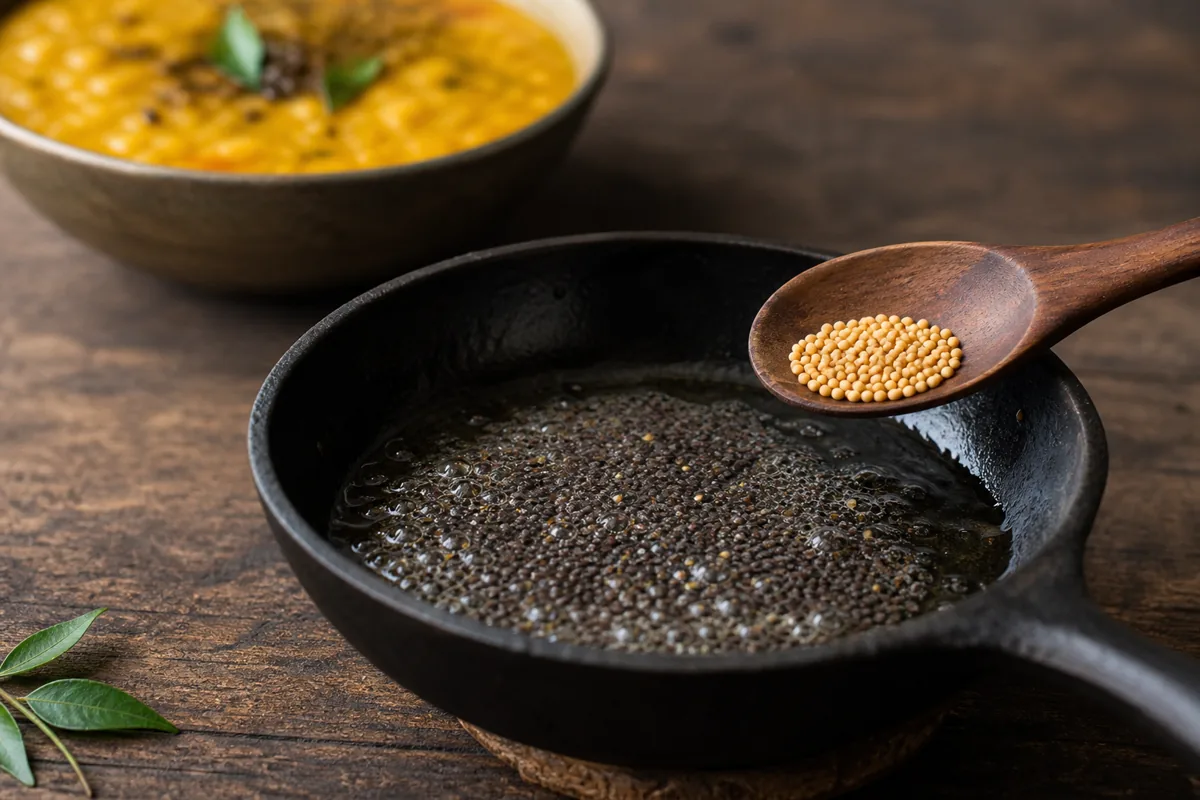
Mustard Seed Turns Nutty or Sharp by How You Use It
Keep mustard seed whole and pop it in hot oil for a nutty tempering, or crush it with cool liquid for sharp mustard…
Read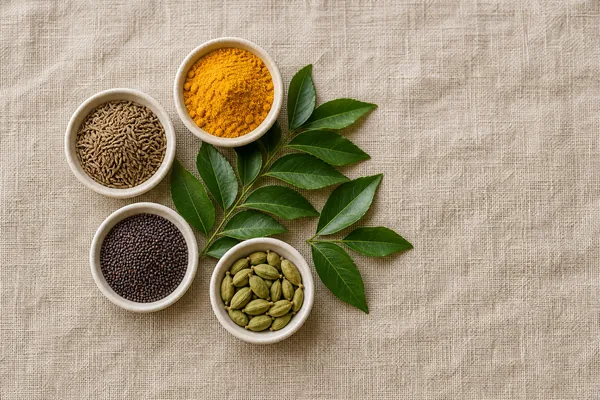
South Asian cooking blooms whole spices in hot fat before anything else enters the pan, so form and sequence matter more here than in most kitchens. These eight profiles cover turmeric, cumin, coriander, fenugreek, asafoetida, and the others, including what each one does raw and what it becomes after tempering.
Origin, flavour compounds, and substitution ratios, taken from food science rather than from packaging copy.
Keep mustard seed whole and pop it in hot oil for a nutty tempering, or crush it with cool liquid for sharp mustard…
Read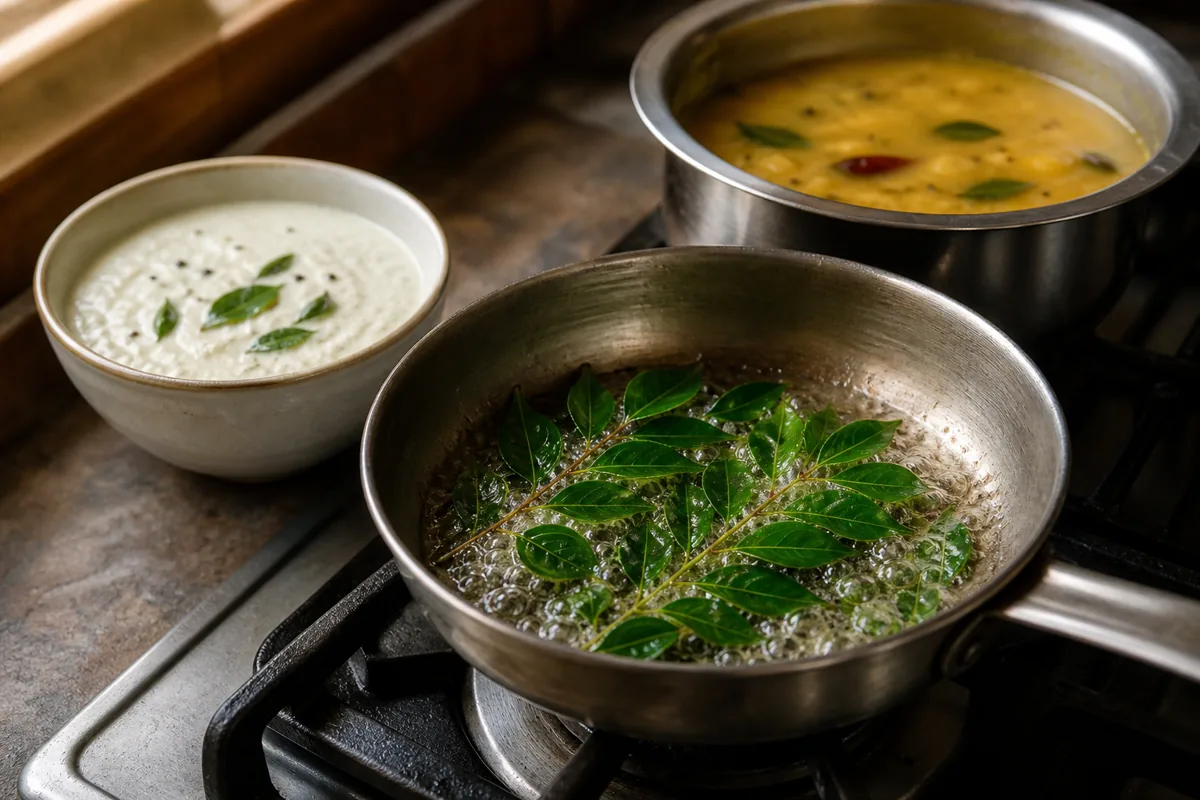
Curry leaves are aromatic leaves used whole, torn, or chopped, rather than the ground spices sold as curry powder. For…
Read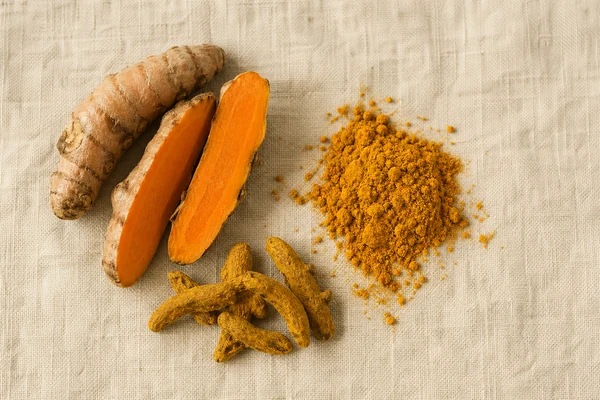
Turmeric is a deeply practical cooking spice that works best when bloomed in fat, and fresh and dried behave as…
Read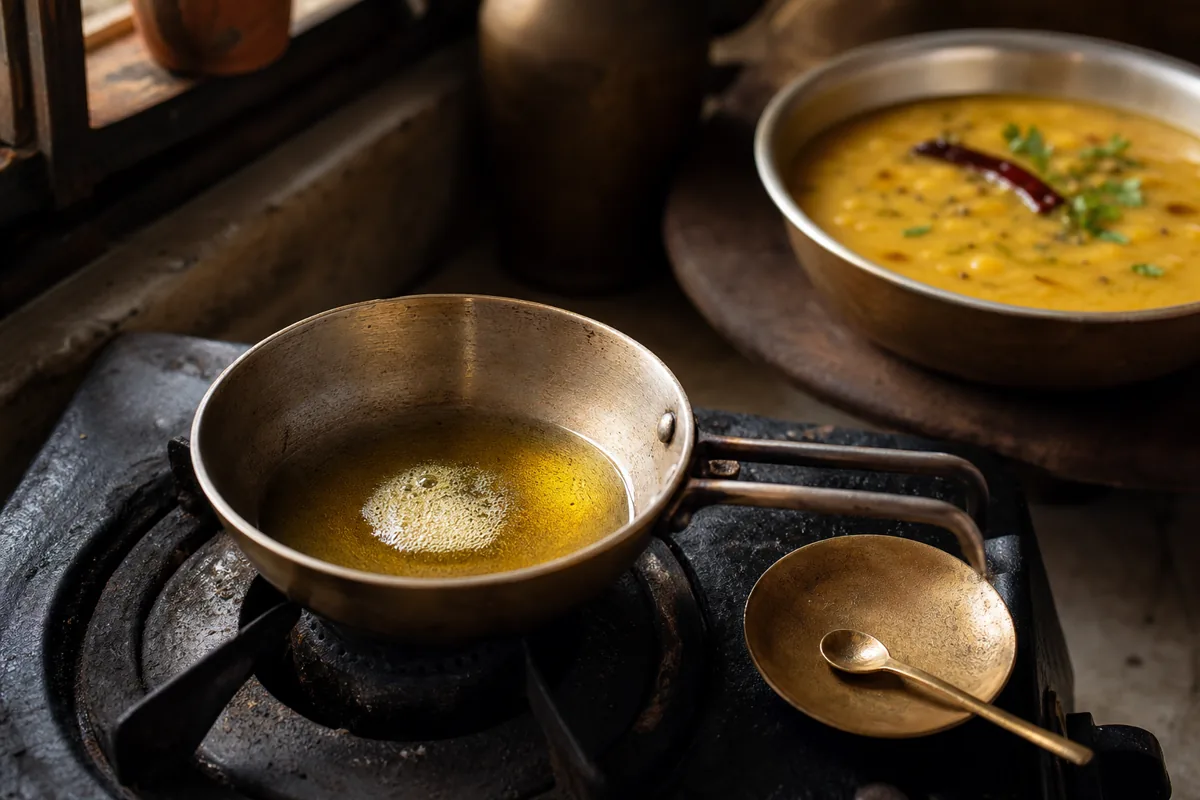
Start with one-sixteenth teaspoon of compounded asafoetida for four servings and fry it in hot fat for a few seconds…
Read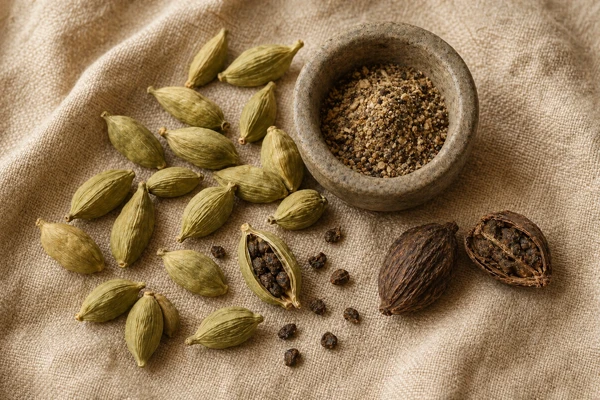
Green and black cardamom are completely different plants with incompatible flavors, never substitute one for the other…
Read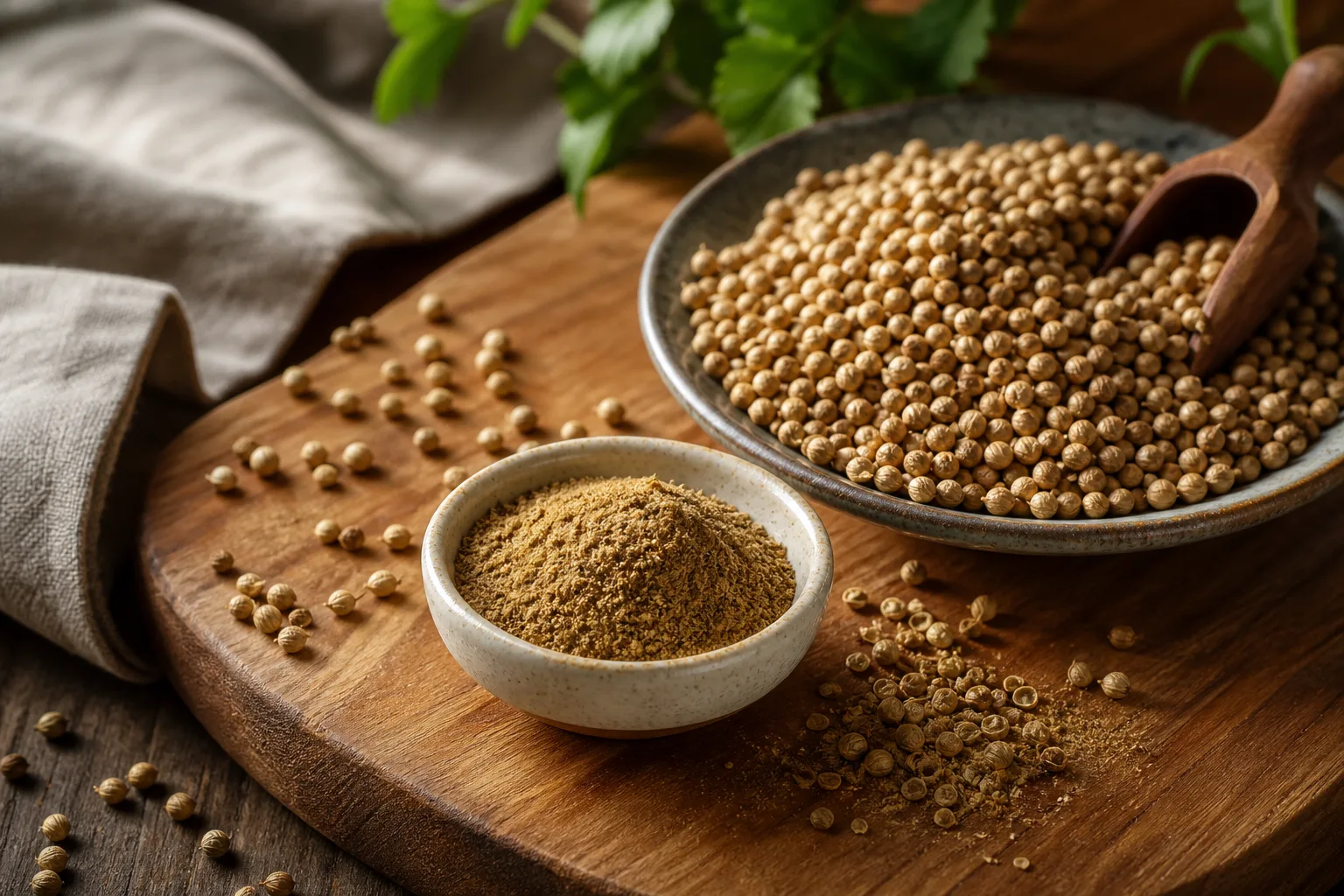
Coriander seed tastes citrusy, nutty, and gently sweet, with no chile heat. Use it when a dish needs brightness without…
Read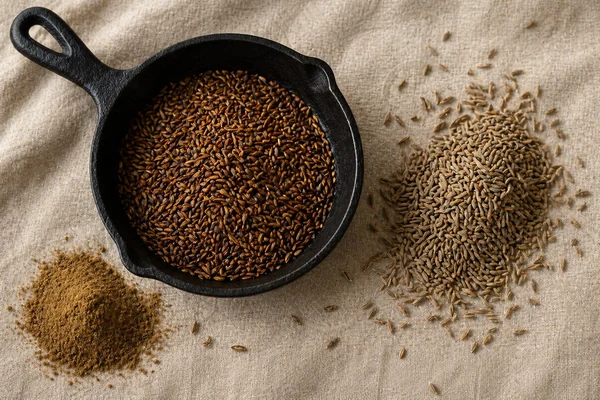
Cumin supplies the earthy bass note, cuminaldehyde, that anchors other flavors in place across Indian, Mexican, and…
Read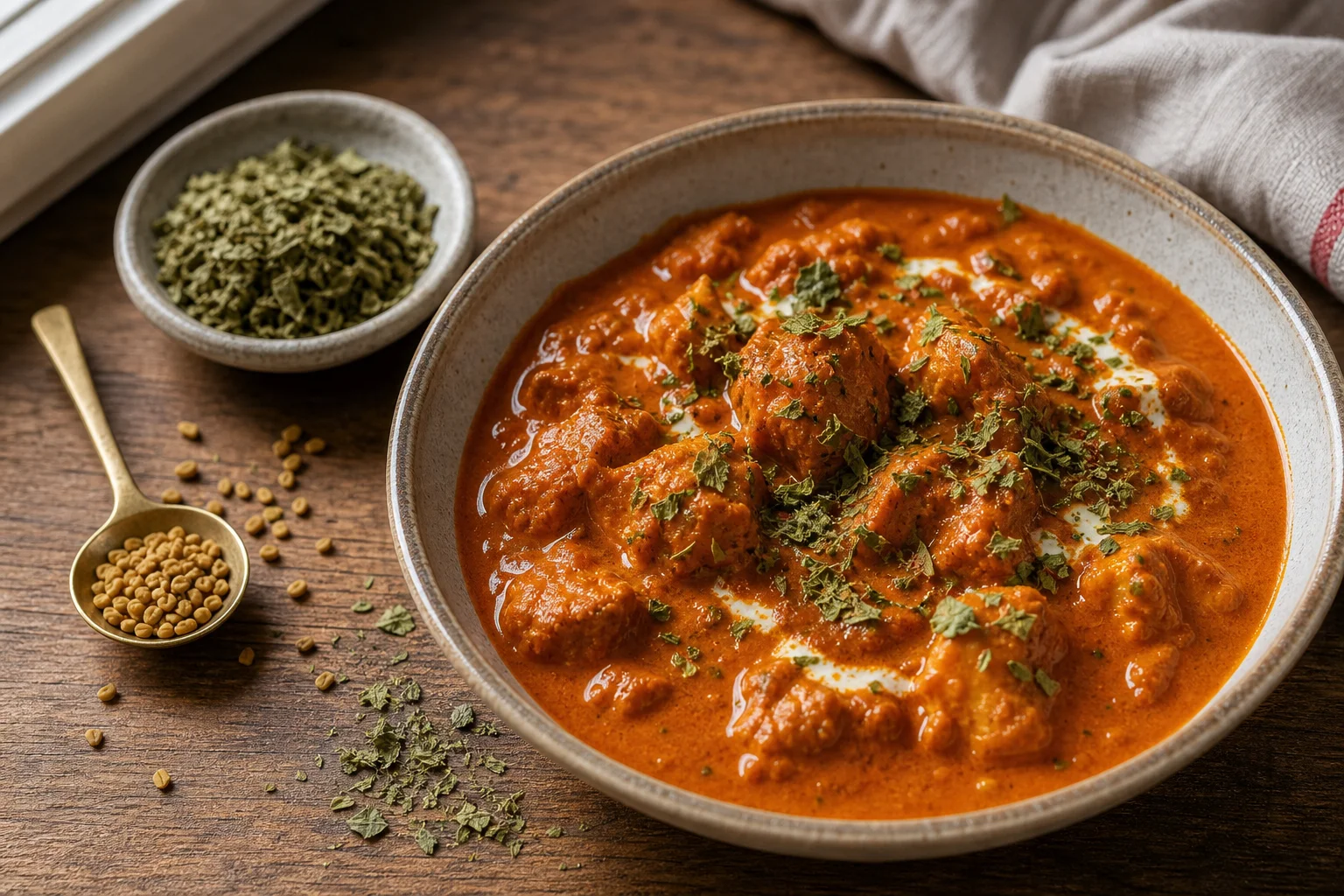
Fenugreek can mean hard yellow seeds or dried fenugreek leaves called kasuri methi. Seeds taste bitter, nutty, and…
ReadNothing at this heat level yet.