
Organic vs Conventional Spices: What Is Worth Paying For?
Pay for the certified farming standard when you value it, then judge the actual spice on separate evidence.
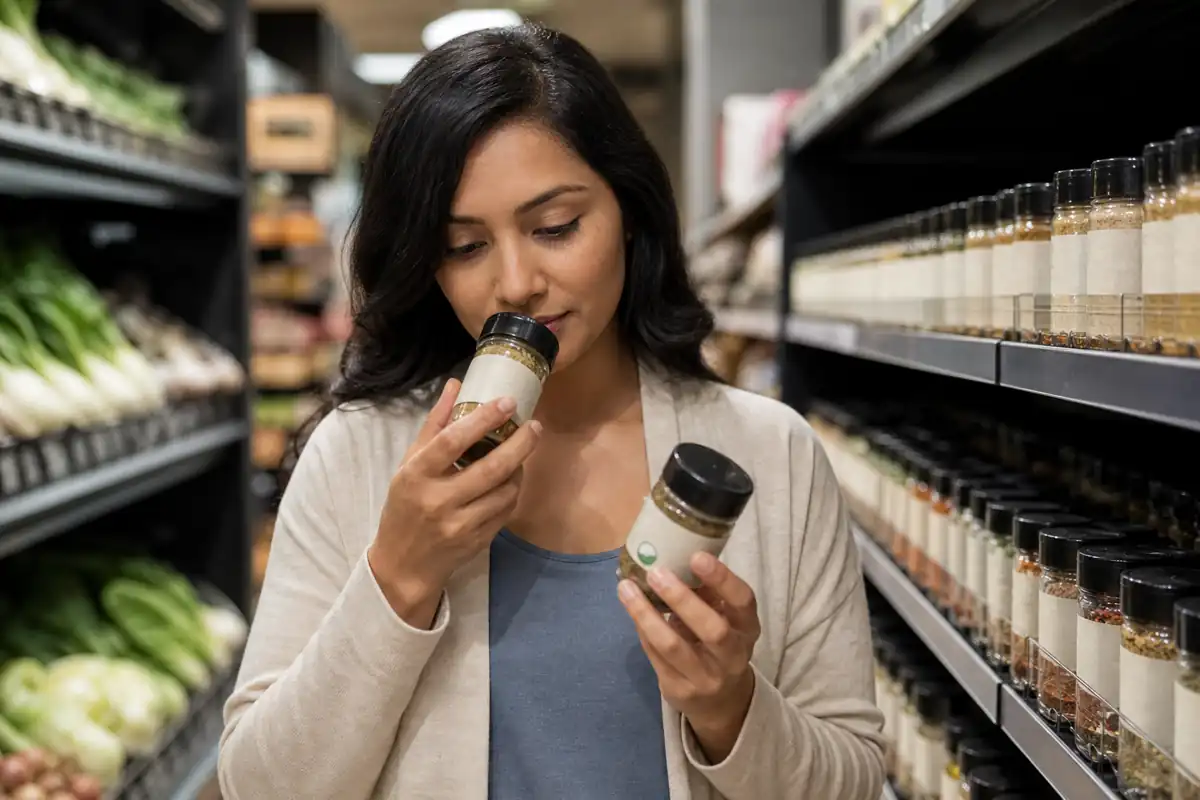
Organic spices are worth buying when you want a certified production system with restricted inputs and no irradiation or genetic engineering, although the seal does not guarantee stronger flavor, zero residues, or freedom from heavy metals and pathogens. For most kitchens, prioritize traceable suppliers, fresh small packs, intact aroma, and recall-ready lot codes, then choose organic for the high-use jars where its farming standard justifies the premium.
What does organic certification actually guarantee?
Organic certification verifies a defined production and handling system. It does not rank the finished spice by aroma, color, freshness, or culinary strength.
In the United States, certified operations follow USDA rules covering allowed materials, records, inspections, separation, and excluded methods.
The standard restricts most synthetic pesticides and fertilizers. Organic farms may still use approved pest-control materials when other methods are insufficient.
| Front wording | Certified organic content | USDA seal |
|---|---|---|
| 100% Organic | All ingredients and processing aids certified organic | Allowed |
| Organic | At least 95% certified organic ingredients | Allowed |
| Made with organic ingredients | At least 70% certified organic ingredients | Not allowed |
| Contains organic ingredient | Below 70% in the finished product | Not allowed |
A compliant retail package also names the certifying body. The USDA seal itself is optional for eligible products, so verify the certifier line.
Imported organic spices can qualify under recognized certification arrangements. A green leaf picture without certification language proves nothing about the farming method.
The best reason to choose organic is that you value this documented production standard. Do not turn the seal into a promise it never makes.
For a single spice, the ingredient line should still be simple. An organic turmeric jar can be certified and stale at the same time.
Are organic spices pesticide-free?
Large monitoring programs show a clear residue-frequency gap between production systems. The result supports comparison, not an absolute promise for every jar.
A 2018 EFSA analysis found measurable residues in 44 percent of conventional samples and 6.5 percent of organic samples.
Those figures cover broad food monitoring, not every spice jar. Crop, country, year, sampling plan, and tested compounds all affect the result.
A monitoring percentage describes how often a test found residue, not the dose in one serving. Detection and health risk remain separate questions.
Organic samples can contain residues through drift, environmental persistence, accidental contact, or allowed materials.
Certified organic does not mean laboratory zero.
Processing can change the result too. Washing, drying, grinding, and blending may reduce, concentrate, or combine residues before retail sampling.
Spices are eaten in small culinary amounts, so exposure differs from a high-volume fresh food. Frequency of use still matters when setting your buying priorities.
If reducing conventional pesticide exposure is your goal, organic is the clearer choice.
State that goal precisely instead of claiming the jar is chemical-free.
Do organic spices taste better?
Organic spices do not automatically taste stronger. Flavor depends more directly on cultivar, growing conditions, harvest maturity, processing, storage, and package age.
Volatile oils begin changing after harvest and escape faster after grinding. The whole-versus-ground choice can outweigh the seal in flavor.
Steam treatment, irradiation, drying temperature, and milling each change aroma differently.
Certification controls some methods but does not publish a sensory score.
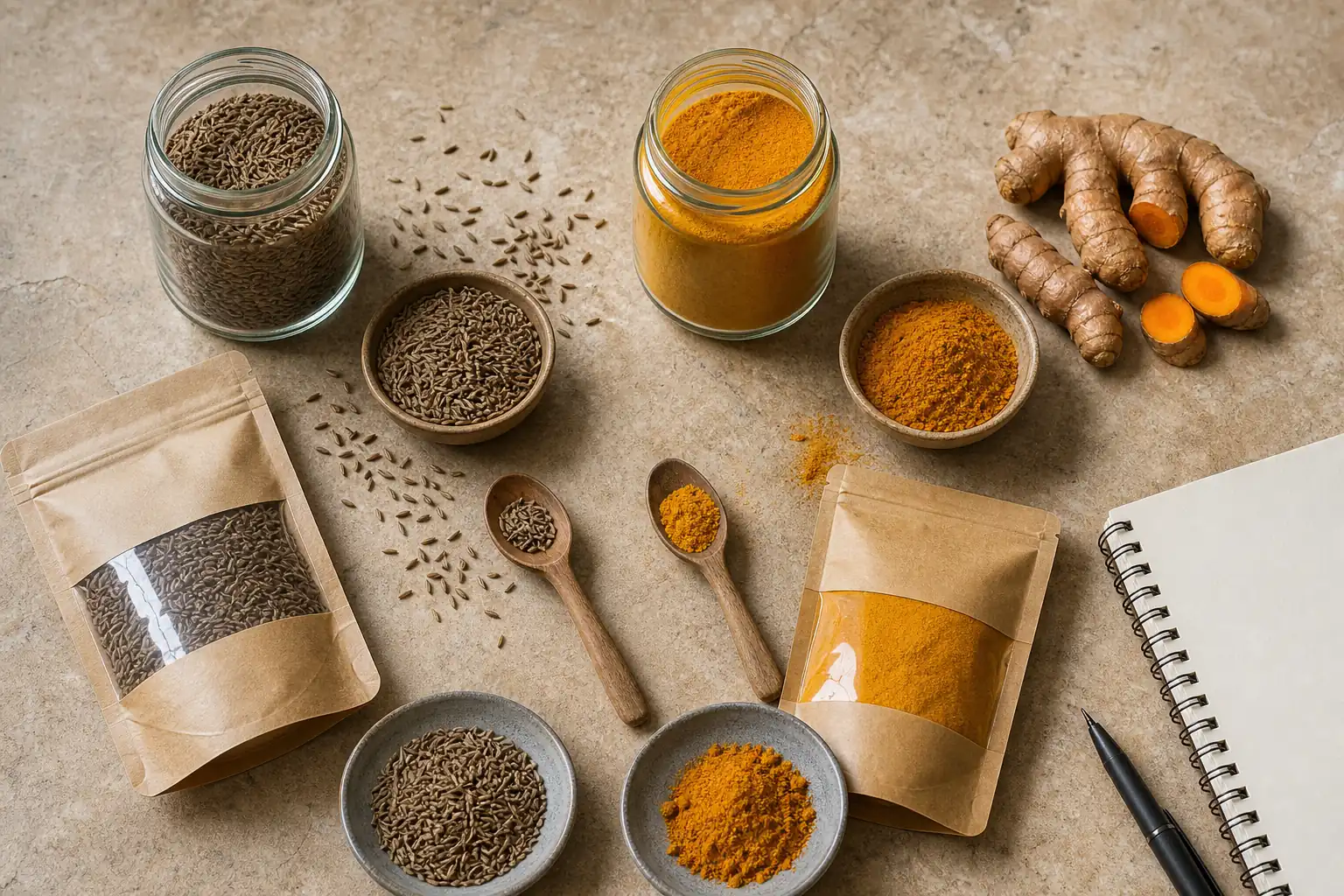
- Aroma: The spice should smell distinct as soon as the package opens.
- Form: Whole seeds and bark often protect volatile oil longer than powder.
- Turnover: A busy specialist may sell fresher stock than a slow premium aisle.
- Size: A smaller pack can stay useful through its final spoonful.
Compare equal forms and pack sizes. Organic whole cumin and conventional cumin powder are not a fair test of farming method.
Check how quickly your household empties the jar. Price per usable month matters more than the shelf price when half the large pack goes flat.
Use the aroma and break tests before increasing a weak spice.
Certification cannot restore evaporated flavor.
For the best cooking result, buy the fresher product from the more transparent seller. Choose organic within that quality set when its standard matters to you.
Do organic spices stay fresh longer?
Organic certification does not extend a spice's shelf life. Grinding, oxygen, heat, light, moisture, and package age control how quickly aroma fades.
Whole peppercorns from either system usually outlast ground pepper because the intact seed protects volatile oil. The farming standard does not change that physical advantage.
- Whole form: Seeds, bark, and pods expose less surface area until you break them.
- Small pack: A jar emptied in months stays useful longer than a bargain size opened for years.
- Fast turnover: A busy seller may hold newer stock than a slow premium shelf.
- Cool storage: A dark dry cabinet protects either choice after purchase.
Compare products in the same form and similar pack size.
Otherwise you are measuring packaging and age instead of organic production.
A printed best-by date is only one clue. Smell the spice and note when you opened it before deciding that certification preserved it.
Are conventional spices safe to use?
Conventional does not mean unsafe. Spices sold legally must meet the food-safety rules of their market regardless of the farming system.
Pathogens, foreign material, adulteration, and heavy metals can affect either system.
Supplier controls and batch identity matter after the crop leaves the farm.
Irradiation is allowed for conventional spices and approved by FDA for pathogen control. USDA organic production excludes ionizing radiation.
That processing difference is real, but it is not a simple safe-versus-unsafe split. FDA considers irradiated food safe when treatment follows approved conditions.
Organic suppliers may use steam or other allowed controls.
Non-irradiated does not mean untreated, raw, or protected from contamination after processing.
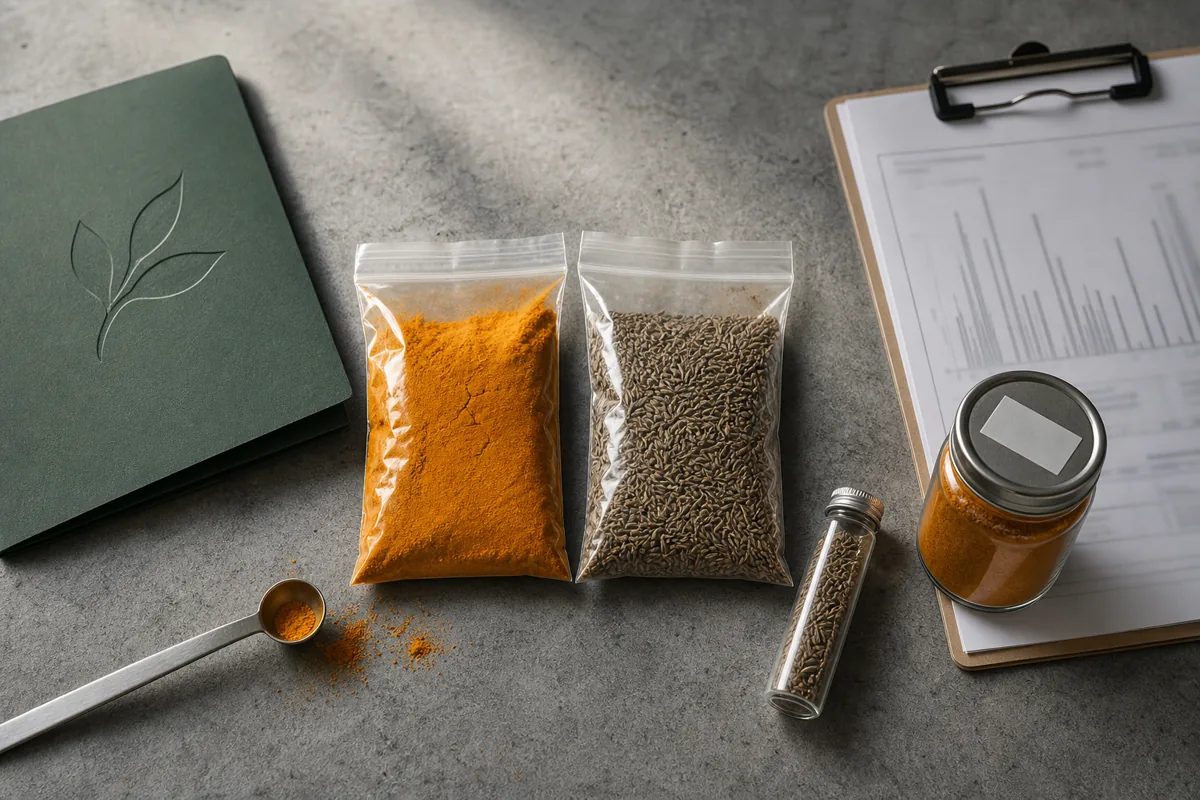
- Farm record: Certification verifies allowed production and handling methods.
- Batch sample: Testing looks for a named hazard in a particular lot.
- Treatment: Irradiation or steam controls pathogens through different processes.
- Recall: Product and lot details identify which jars need action.
Choose a seller who can identify the product and lot. Organic preference does not remove the need to follow recalls or handle spices cleanly.
Can organic spices still contain heavy metals?
Organic certification does not guarantee a batch is free from lead, arsenic, adulterants, Salmonella, or other contaminants. Those hazards need separate controls.
Lead can enter spices from soil, processing equipment, environmental contamination, or deliberate adulteration.
Organic farm records do not replace finished-product testing.
FDA alerts involving ground cinnamon identified specific brands and lot codes with elevated lead. The response depended on product identity.

- Product: Match the exact spice and package size.
- Brand: A recall does not automatically cover every seller.
- Lot: The printed code identifies the affected production batch.
- Action: Follow the regulator notice for return, disposal, or further advice.
Some suppliers provide a certificate of analysis or explain their testing program. Ask which hazards they test and whether results apply to each lot.
Check official notices when a problem is current.
A vague clean label cannot substitute for traceable package details.
Which sterilization method sits behind the price gap?
Pesticides are only half the processing story, and the other half rarely reaches the front label.
Bulk spices are usually treated to kill pathogens before sale, and the method a lot received is a real difference between organic and conventional stock.
Ethylene oxide gas is one option. The European Union prohibits it on food and holds residues to a very low limit, and breaches have triggered large spice recalls there in recent years.
The United States still permits ethylene oxide on spices within set residue limits.
Organic certification does not allow it at all, which is one of the concrete things the seal buys.
Steam is the common organic alternative. It is gentler on the paperwork but harder on the aroma, because heat and moisture cost some volatile oil.
Ask a seller which method a lot received. A supplier who can answer that is usually worth more than a seal on its own.
When is the organic premium worth paying?
Upgrade high-use spices first if you want an organic pantry. Frequent use gives the certified choice more relevance before the aroma fades.
A jar opened once a year is a poor premium purchase in either system. Buy a tiny pack or skip the spice until a recipe needs it.
Whole peppercorns, cumin, coriander, cloves, and bark can remain useful longer than powders. Form may justify the price better than certification alone.
| Situation | Recommended choice | Reason |
|---|---|---|
| Used every week | Fresh organic if affordable | The standard matters and the jar turns over |
| Used twice a year | Smallest fresh pack | Waste and staleness dominate |
| Organic powder versus fresh conventional whole | Fresh whole | Form and aroma drive the cooking result |
| Unknown bulk bin versus sealed traceable jar | Traceable sealed jar | Identity and lot information matter |
| Equal freshness and source | Organic if you value its rules | The comparison is finally like-for-like |
Do not replace every useful conventional jar at once. Follow a spice freshness window, finish it, then upgrade intentionally.
A reputable specialist spice seller should disclose product identity, origin when known, package size, and contact details.
The recommended order is clear: traceability, freshness, appropriate form, sensible quantity, then certification preference. That sequence protects both food and budget.
What should you compare besides the organic seal?
Turn the package around. The ingredient line, responsible company, certifier, origin statement, lot code, and date each answer a different question.
Country of origin can improve traceability, but it does not prove quality by itself.
Farming and processing vary inside every producing country.
Packed in the United States may describe the final packaging location rather than the growing region. Read the exact wording.
A named processor narrows responsibility when a problem appears. A vague imported-for statement may leave several earlier handlers invisible.
- Ingredient: Confirm the named spice and any salt, oil, color, or anti-caking agent.
- Certifier: Organic packages should identify the accredited certifying body.
- Origin: Prefer a specific growing origin when the seller can support it.
- Lot: Keep enough code information to act on a recall.
- Company: Look for a responsible processor or distributor with contact details.
- Date: Treat best-by as a quality promise, not a harvest date.
Words such as natural, pure, premium, and sustainably sourced need supporting detail.
A beautiful claim is not the same as a regulated standard.
Prefer claims tied to a certifier, batch test, named origin, or published sourcing standard. Each one gives you something concrete to verify.
Use the full six-step label check when the package leaves any of those clues unclear. Traceability limits what certification alone can answer.
Which spices should you buy organic first?
Start with the three spices you empty most often.
Estimate how many weeks each jar lasts before choosing the next size.
Smell each product when possible, then record the seller and purchase month. Proper dark, dry storage protects that purchase afterward.
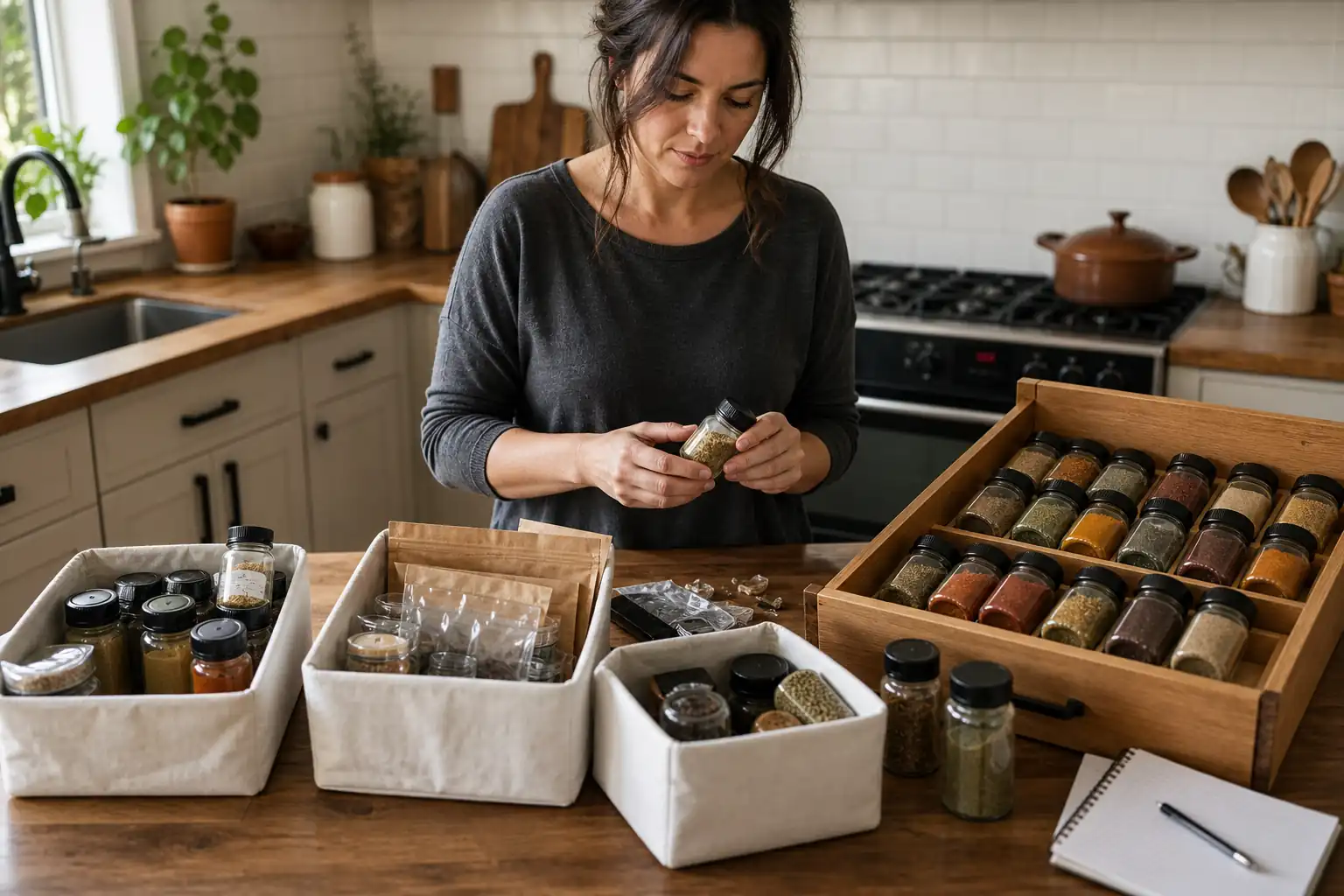
- Weekly: Compare organic choices first because the jar will turn over.
- Monthly: Favor whole form or a small package.
- Rare: Buy only for a planned recipe.
- Still fresh: Keep the current jar instead of replacing usable food.
If the organic option is stale, oversized, or untraceable, leave it. The seal cannot compensate for a poor retail product.
If both jars are equally fresh and transparent, choose organic when its farm and processing rules justify the extra cost for you.
Recheck that choice when the source or pack size changes. A good decision belongs to the specific jar, not every product carrying the seal.
This gradual method avoids waste and makes the premium measurable. The pantry improves through better purchases, not a one-day purge.