
Which Spices Have Anti-Inflammatory Evidence?
Use spices as flavor-first foods, then read supplement claims with dosage and interaction caution.
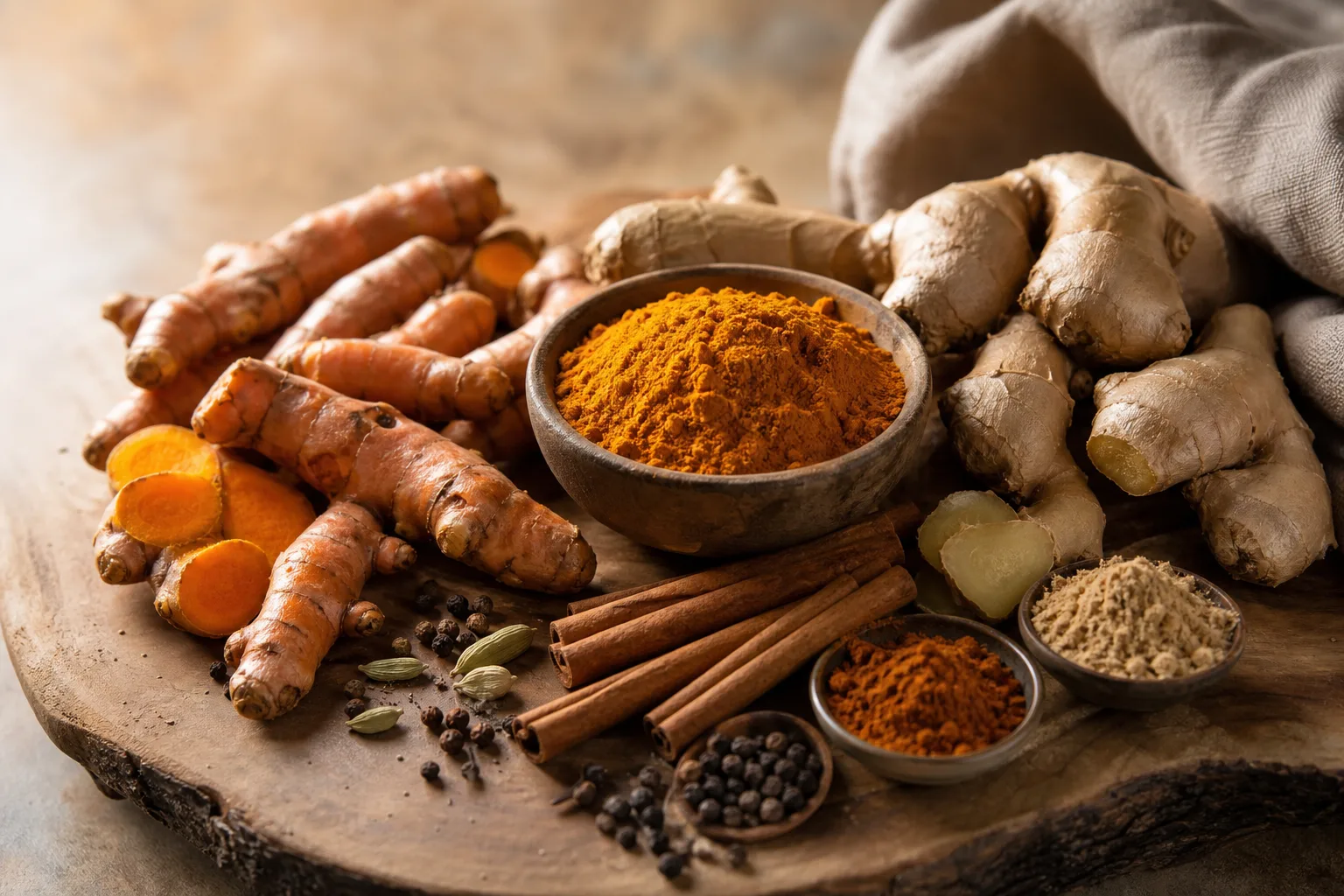
Turmeric, ginger, cinnamon, saffron, rosemary, and black pepper contain compounds studied for antioxidant or anti-inflammatory activity, but food amounts are not treatment doses. Use them to support a varied diet, and treat concentrated supplements as stronger products with stronger safety questions.
Can culinary spices reduce inflammation?
Most anti-inflammatory spice headlines come from capsules, extracts, or lab studies. A teaspoon stirred into dinner is a much smaller and different exposure.
That gap matters more than most articles admit. A supplement can hold many times the active compound of a normal serving, with different absorption and different risks.
Most trials also measure blood markers, not how you feel. C-reactive protein, interleukin-6, and TNF are lab signals of inflammation, and moving them is not the same as treating a disease.
A lower marker in a study is a hint, not a promise that you will feel different.
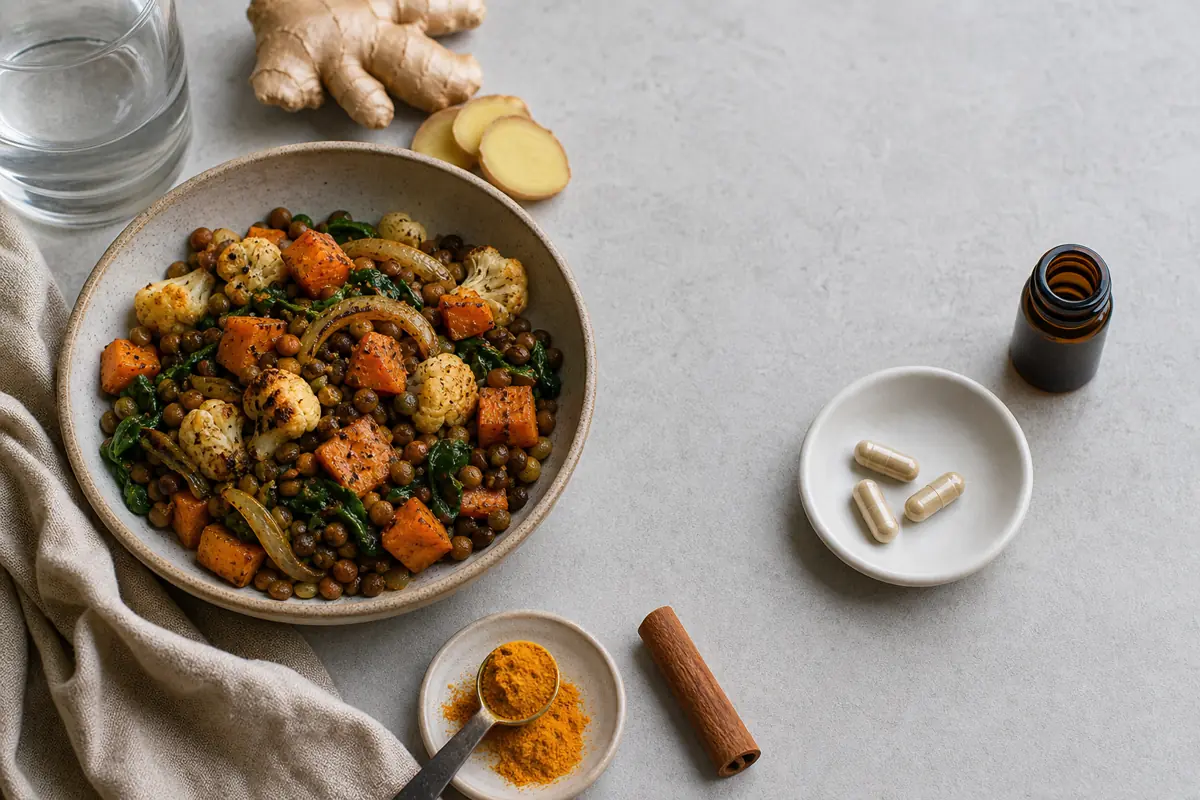
- Food: Spices arrive as part of a meal in modest amounts.
- Extract: Processing can concentrate one selected compound.
- Capsule: The label dose may exceed what cooking normally supplies.
- Decision: Judge evidence and safety for the tested form, not the ingredient name alone.
This is why a ranked list can mislead if it mixes dinner spices, extract capsules, and lab findings in one pile.
A better list separates strong supplement evidence, modest food habits, and early lab signals. Those three buckets lead to different choices.
Use that split before you buy anything. It keeps a spice rack from turning into a medicine cabinet.
Use spices for flavor first, then read any health claim slowly. Ask what form was tested, at what dose, and in which people, before you treat a spice like medicine.
The strongest results sit at supplement doses that few cooks reach through food. The safety questions rise at those same doses.
| Spice | Studied compound | What trials mostly tested | Practical caution |
|---|---|---|---|
| Turmeric | Curcumin | Concentrated curcumin supplements | Poor food absorption, liver caution, and blood-thinner caution |
| Ginger | Gingerols, shogaols | Standardized extracts for joint pain | Stomach upset and bleeding caution at high doses |
| Cinnamon | Cinnamaldehyde, polyphenols | Supplement capsules, mixed results | Cassia type adds coumarin at heavy intake |
| Saffron and rosemary | Crocins, rosmarinic acid | Small marker or antioxidant studies | Interesting, but not enough for treatment claims |
| Black pepper | Piperine | Added to curcumin to boost absorption | Can change how some compounds absorb |
Does turmeric have the strongest evidence?
Turmeric carries the deepest evidence base, almost all of it through its yellow pigment curcumin. Even so, the human trials disagree with each other.
A 2019 review of chronic inflammatory conditions found no reliable drop in C-reactive protein. A larger 2023 analysis did find lower C-reactive protein, TNF, and interleukin-6 at supplement doses.
The honest read is a modest, dose-dependent signal, not a settled cure. Food-level turmeric is not what those studies measured.
Dried turmeric is only a few percent curcumin by weight. A normal cooking pinch delivers far less than a standardized capsule.
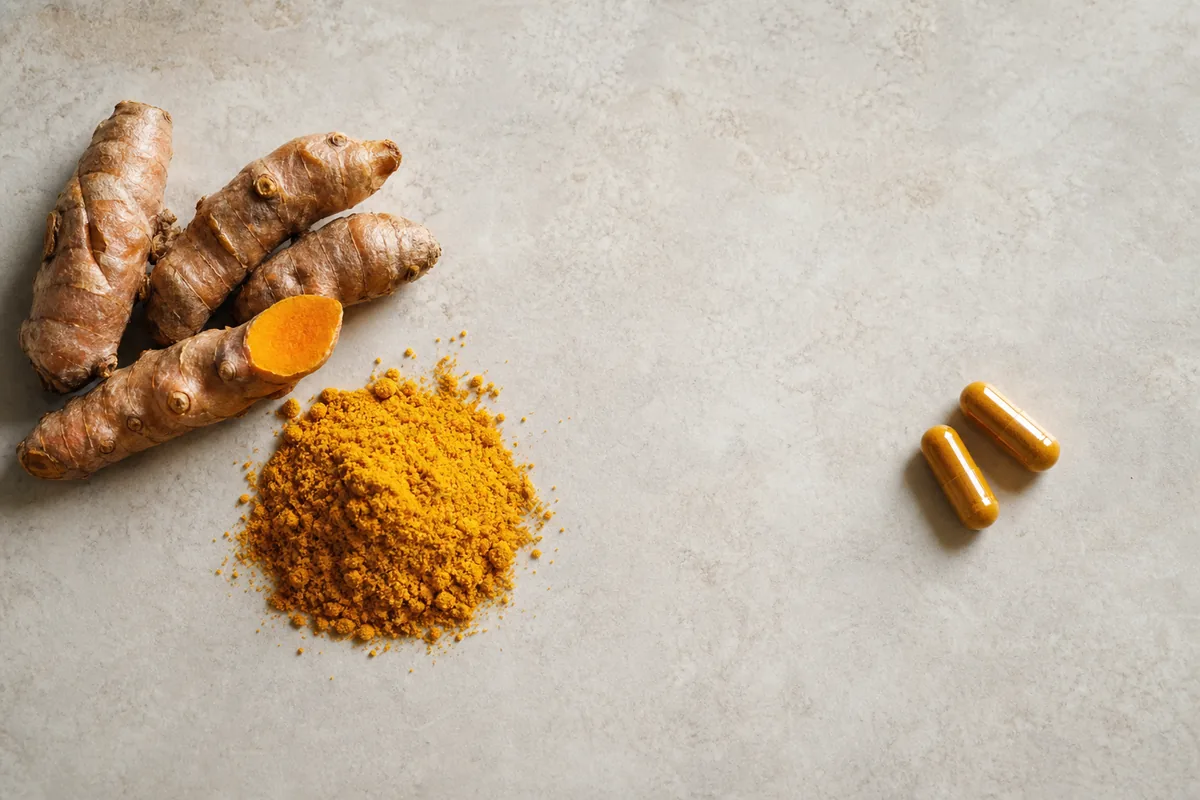
- Food gives you a small, gentle amount.
- Supplements concentrate the active compound.
- Most strong study results used the capsule dose.
Curcumin also absorbs poorly on its own. A well-known 1998 study reported that measured piperine raised curcumin absorption sharply.
That finding used a controlled piperine dose, not a casual pepper sprinkle. Treat the pepper trick as dose-sensitive, not magic.
In food, the best turmeric move is still ordinary cooking with fat, heat, and a dish that tastes balanced.
For the deeper single-spice review, read turmeric and inflammation. It handles the curcumin evidence in detail.
The black pepper absorption question matters here too, because piperine gets measured like an active ingredient rather than a garnish.
Everyday turmeric in cooking still gives you a useful, colorful spice. Just do not expect a spoonful to match a studied dose.
Does ginger reduce inflammation or joint pain?
Ginger shows some of the more consistent human results. A 2015 meta-analysis of osteoarthritis trials found a small but real reduction in pain against placebo.
Small is the key word. The effect was modest, several studies were weak, and some people reported stomach upset.
Its main compounds, gingerols and shogaols, show antioxidant and anti-inflammatory activity in the lab. Drying and heating shift gingerol toward shogaol, so forms are not interchangeable.
Fresh ginger, dried ginger, and concentrated extract are three different exposures. Cooking changes both the intensity and the amount you actually eat.
Some trials also tested ginger for period pain and reported relief. The evidence is mixed, so it reads as a reasonable option, not a proven fix.
Ginger is most defensible when you already like its flavor and want a low-risk habit, not a pill-shaped promise.
If your interest is everyday comfort rather than joints, cooking with ginger is an easy, low-risk habit. It flavors food while you keep expectations realistic.
What evidence supports cinnamon, saffron, and rosemary?
Cinnamon appears in inflammation research, but the trials pull in opposite directions. Some reviews report lower C-reactive protein, while a 2024 umbrella review found no reliable effect.
In people with type 2 diabetes, cinnamon did not clearly move inflammation markers. That makes it a flavor spice here, not a main evidence pick.
There is a form catch as well. Common supermarket cassia cinnamon carries coumarin, so very heavy daily supplement use is a liver consideration.
Saffron threads show early signals in mood, antioxidant, and marker research. The studies are too small to turn saffron into an inflammation treatment.
Rosemary leaves bring rosmarinic acid and strong aroma to food. That is useful, but stronger health claims still need better human trials.
Black pepper belongs in this group for a different reason. Piperine in pepper is best understood as an absorption helper.
That makes this group useful in the kitchen, but weak as proof that a single spice will calm inflammation.
Enjoy these spices for flavor, color, and variety. Read any stronger claim as a supplement question that needs dose and safety details.
Do individual spices matter more than the whole diet?
The most reliable anti-inflammatory result is not a single spice. It is a diet rich in plants, fiber, and variety, with spices as flavorful helpers.
Spices earn their place by making vegetables, beans, and whole grains taste good enough to eat often. That habit does more than any lone capsule.
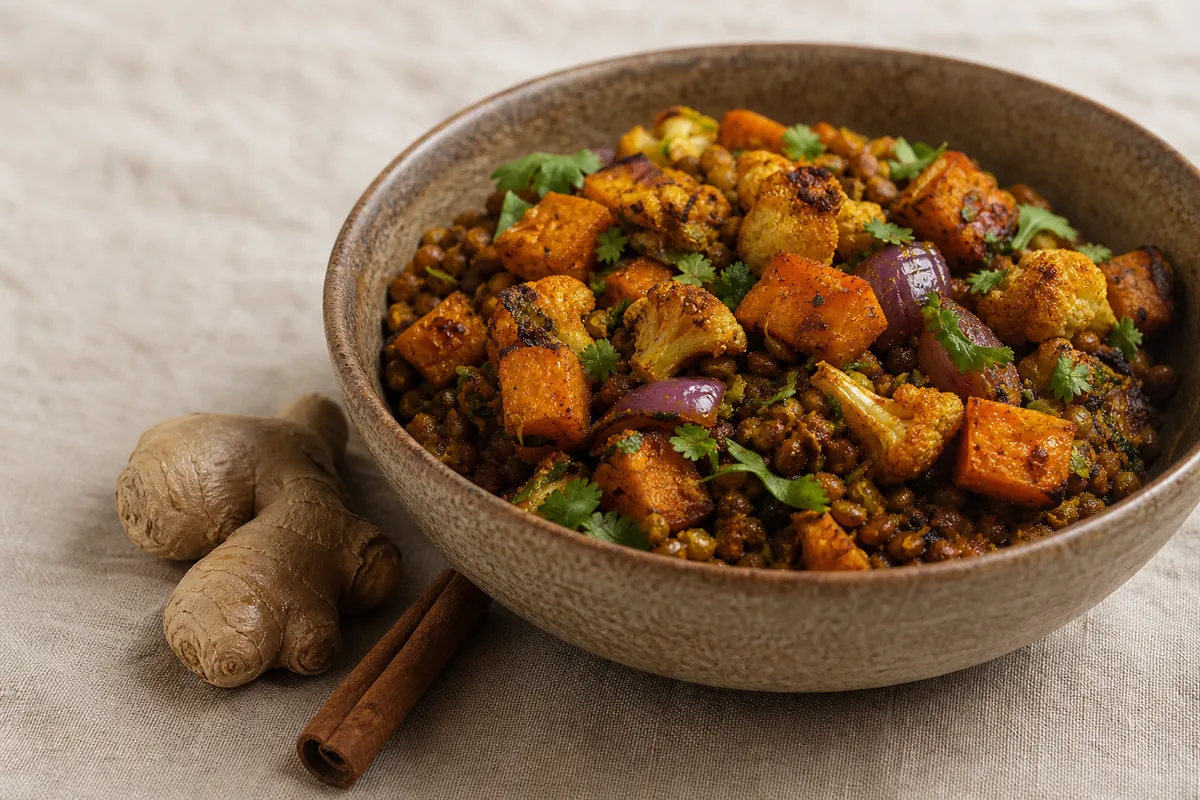
- Turmeric and cumin make vegetables worth repeating.
- Flavor from spice can replace some added salt.
- The diet pattern beats any single capsule.
Think of turmeric, ginger, and cinnamon as reasons to cook more plants. They also let you lean on flavor instead of extra salt.
How can you use anti-inflammatory spices in meals?
The practical move is a spice rotation you can repeat. Use turmeric for color, ginger for bite, cinnamon for warmth, rosemary for savory lift, and pepper where it fits.
Pair those spices with foods that already carry the meal. Lentils, vegetables, olive oil, yogurt, fish, nuts, and whole grains do the heavy lifting.
A realistic week beats a heroic smoothie because it gives you the same useful foods again and again.
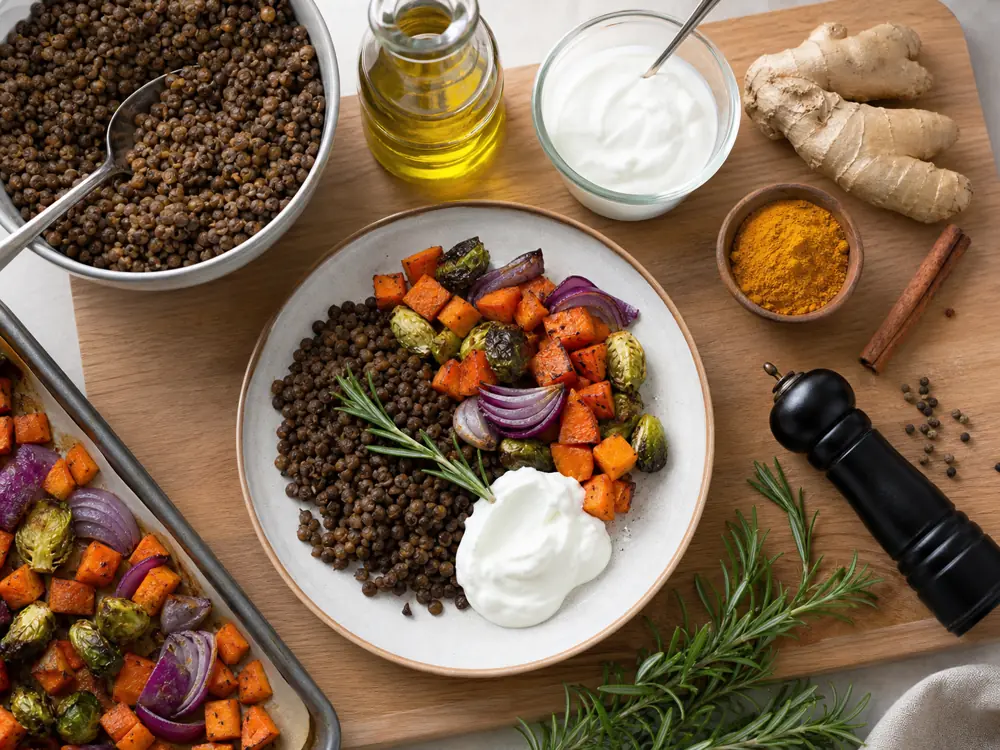
- Use spices to make plant foods easier to repeat.
- Keep capsules separate from normal cooking choices.
- Retire stale spices before judging the flavor habit.
Fat also changes the eating experience. Oil or yogurt helps carry aroma from turmeric, rosemary, and pepper through the whole dish.
This is where spice solubility matters more than a health headline. The right carrier makes the food taste better.
If the meal tastes good, you are more likely to repeat the plant-rich pattern that the evidence actually supports.
When are spice supplements unsafe?
Food amounts are usually gentle. Concentrated supplements are where interactions and side effects tend to show up.
The NCCIH says turmeric and curcumin are likely safe at common food amounts. It treats high-dose products as a different safety question.
Some high-absorption curcumin products have been linked to rare liver injury. That risk belongs to supplement formulas, not turmeric in dinner.
Watch for dark urine, yellowing skin, nausea, or unusual fatigue after starting a strong supplement. Those signs mean stop and call a clinician, not push through.
Turmeric and ginger both matter for people on blood thinners. Curcumin can add to the effect of warfarin, so supplement use needs medical review first.
Your medication list matters more than the spice label when the dose comes from an extract.
- On blood thinners: turmeric, curcumin, and ginger supplements can raise bleeding risk, so clear them with your clinician before starting.
- Before surgery: stop concentrated spice supplements ahead of any procedure, since they can affect how you bleed.
- Pregnant or nursing: keep to normal food amounts and ask a clinician before any supplement dose.
- Liver concerns or gallbladder disease: avoid high-absorption curcumin formulas and very heavy cassia intake without medical advice.
None of this makes a seasoned dinner risky. It means interaction warnings mainly belong to extracts, capsules, and high-absorption formulas.
When in doubt, keep spices in the food lane. Ask a clinician before you turn a kitchen spice into a daily capsule.