
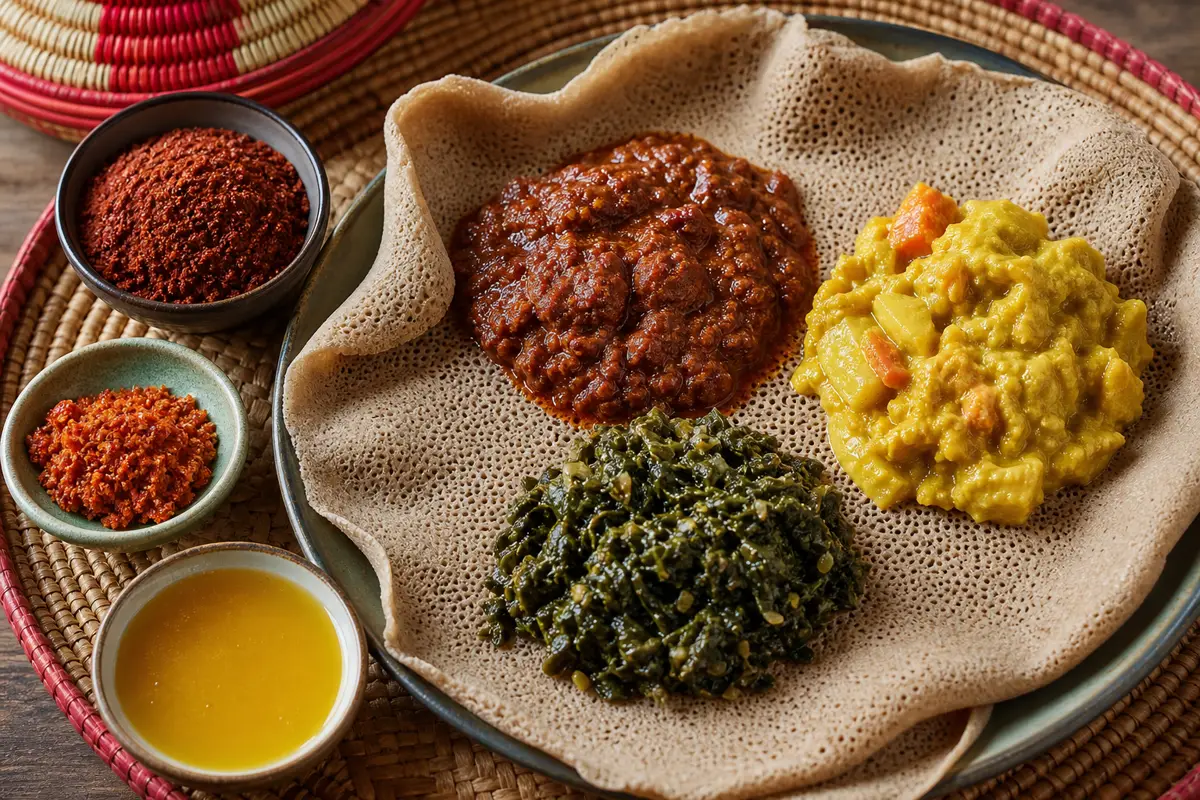
Ethiopian Spices Make Sense When You Learn Their Jobs
The core Ethiopian pantry is larger than berbere. Berbere builds chile-rich stews, mitmita supplies concentrated table…
Read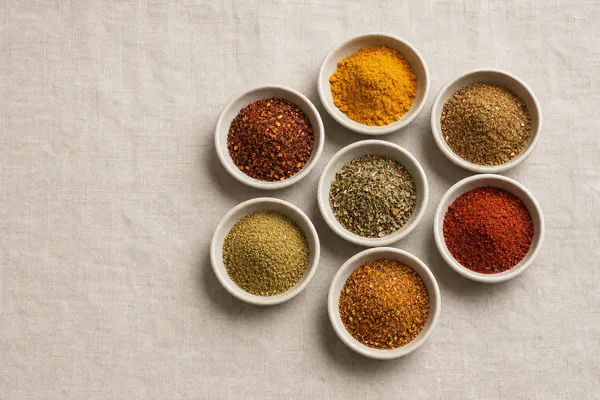
Each cuisine keeps a small working set of spices and a habit for using them, and the habit matters more than the list. These eight guides cover what a kitchen actually stocks region by region, and the technique that makes those spices taste the way you expect.
Regional spice logic explained through the dishes it grew up around, not through a national label.
The core Ethiopian pantry is larger than berbere. Berbere builds chile-rich stews, mitmita supplies concentrated table…
Read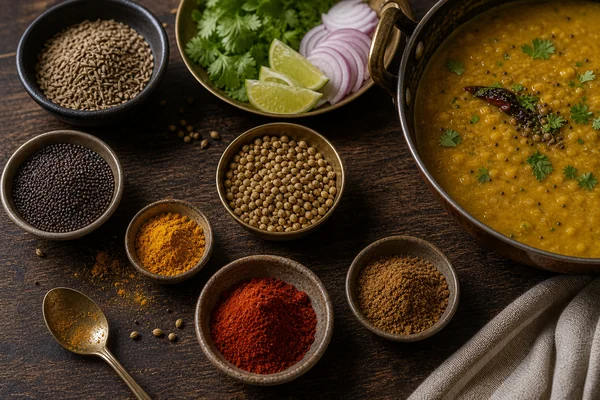
Start an Indian spice pantry with whole cumin and mustard seed, ground coriander, turmeric, a chile powder you…
Read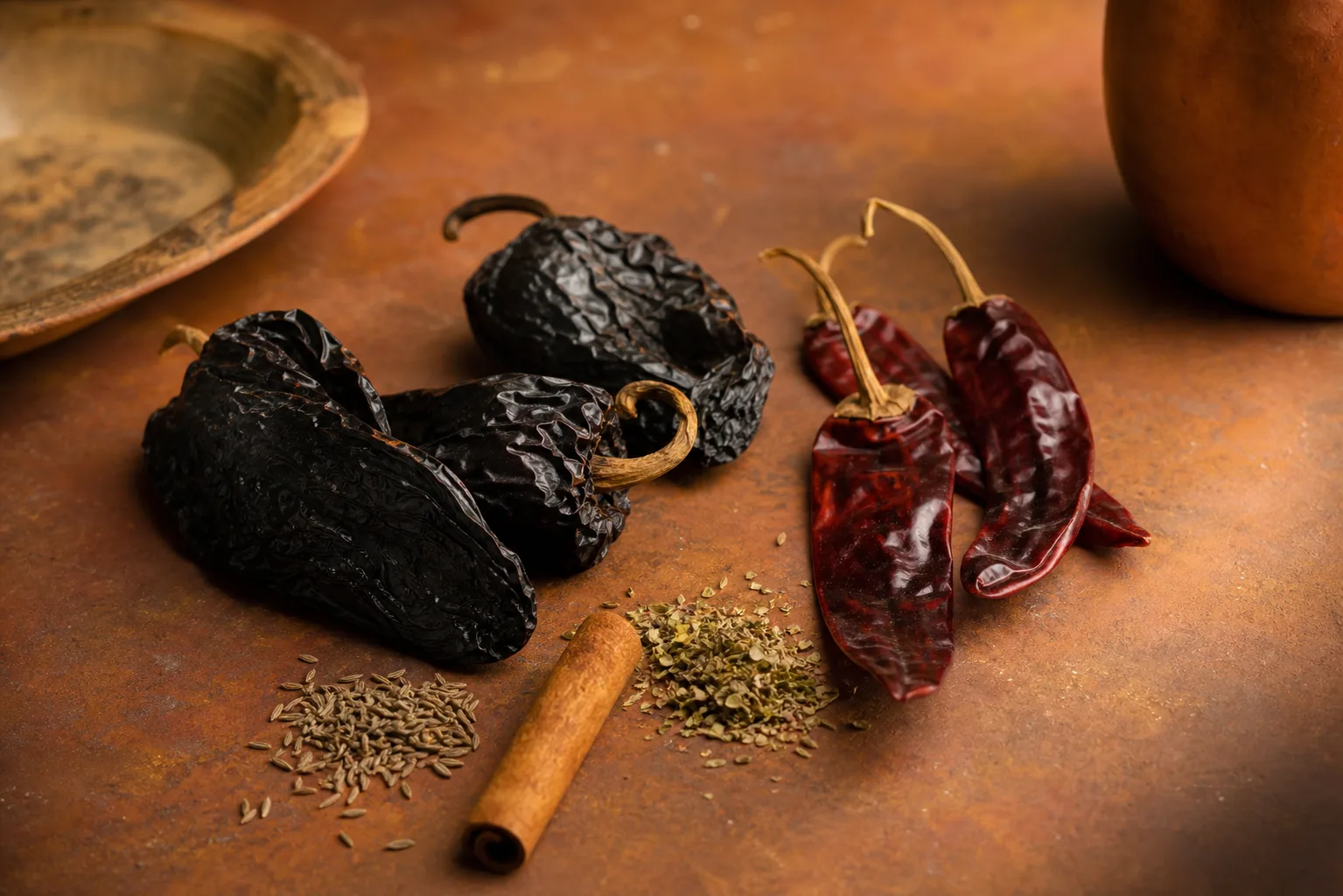
Mexican cooking is not built from one chili powder. Whole dried chiles give color, body, fruit, smoke, and heat, while…
Read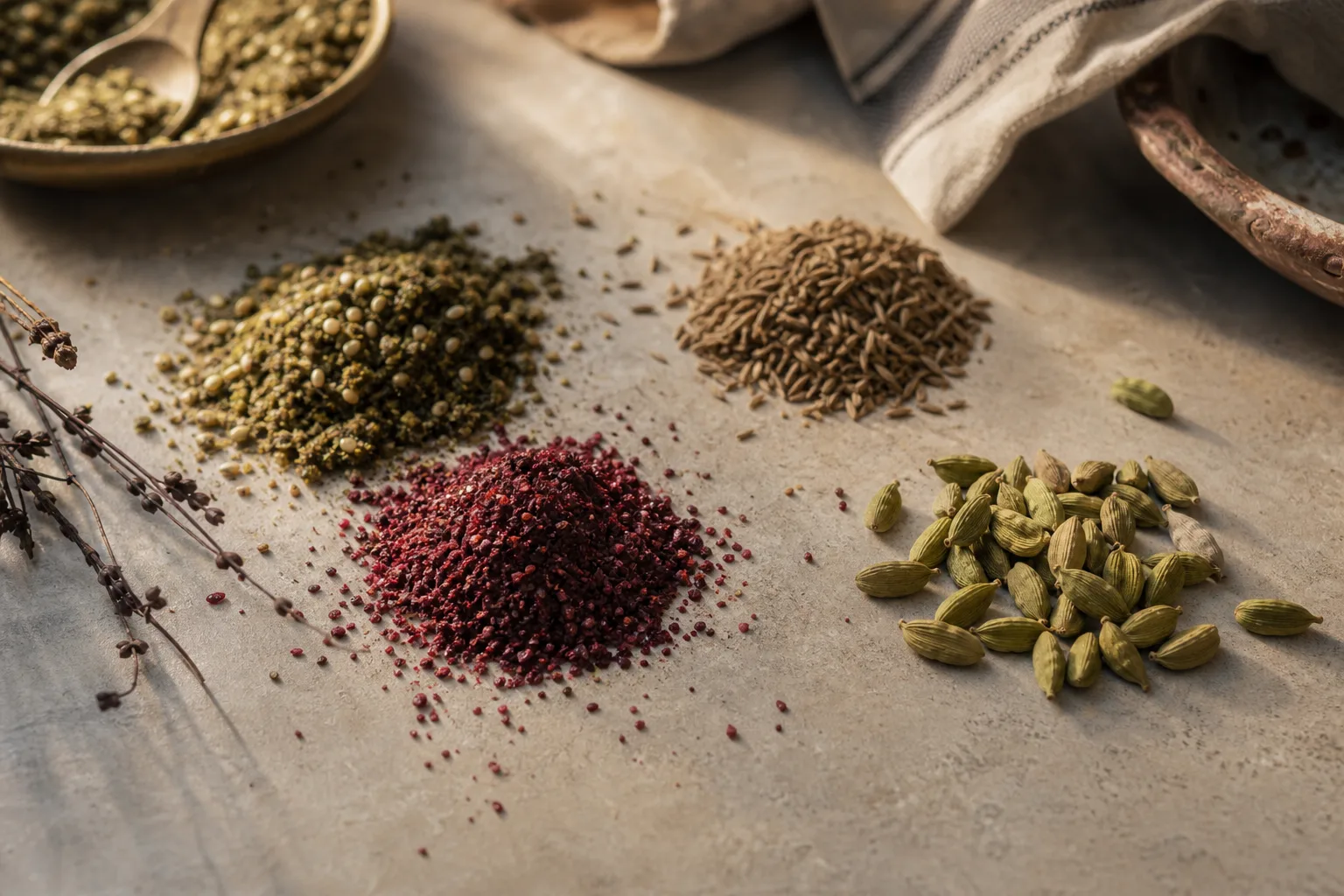
A useful Middle Eastern spice cabinet is not a long regional checklist. Start with tart sumac, herb-sesame zaatar…
Read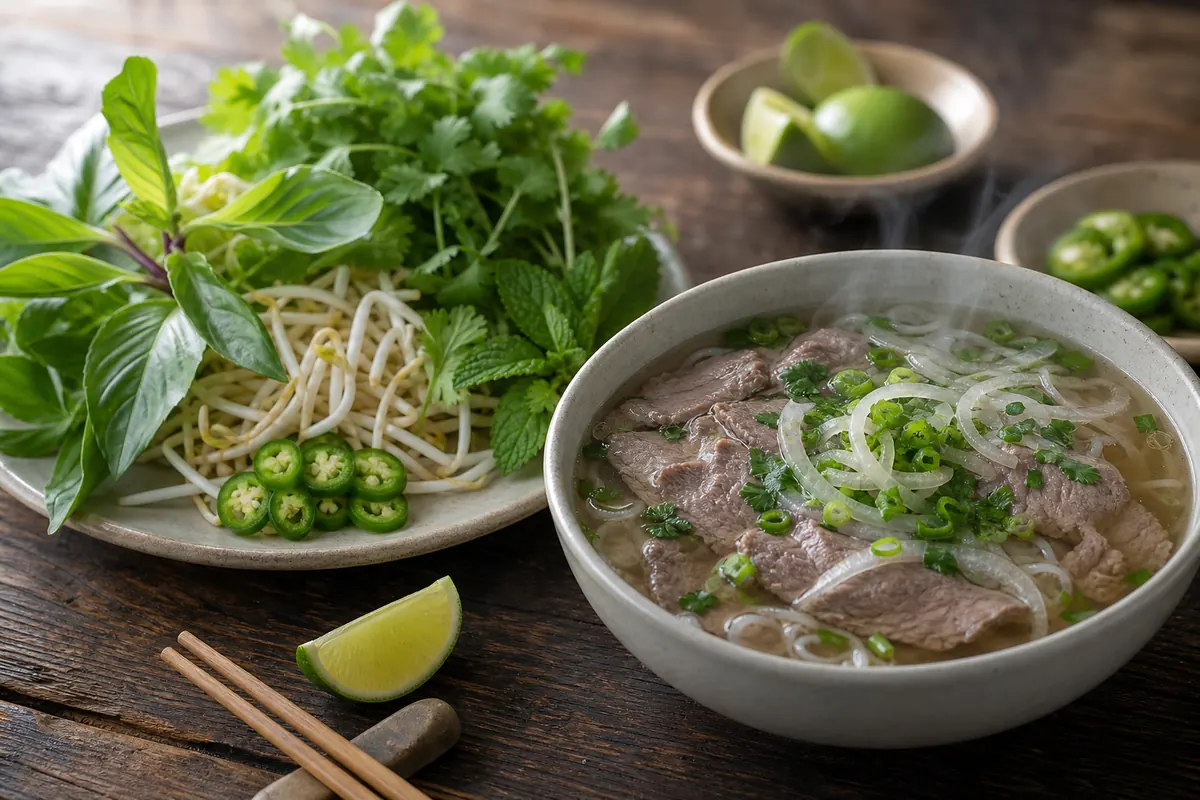
Vietnamese cooking separates fresh leaves from cooked aromatics and whole broth spices, so each ingredient has a…
Read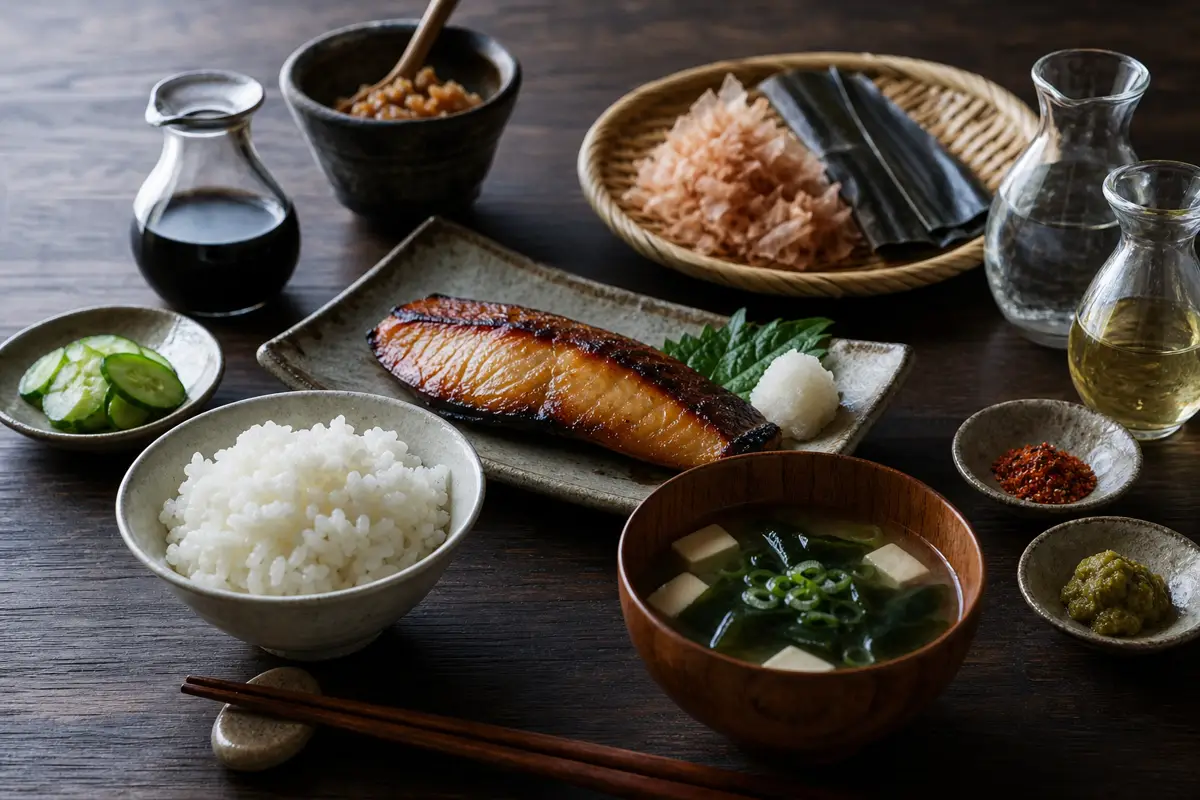
Start with soy sauce, miso, dashi ingredients, mirin, rice vinegar, sake, sugar, and salt. Add sesame, shichimi…
Read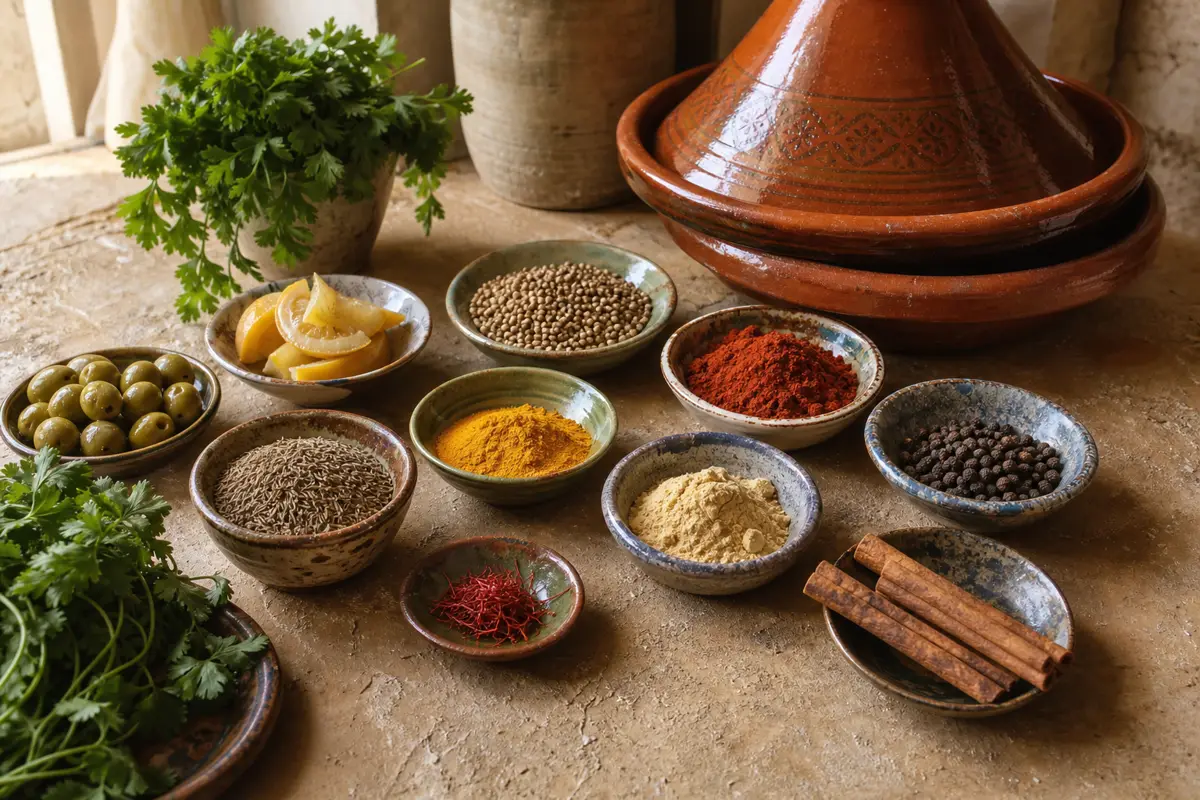
Start a Moroccan pantry with cumin, coriander, ginger, cinnamon, turmeric, paprika, black pepper, and a good ras el…
Read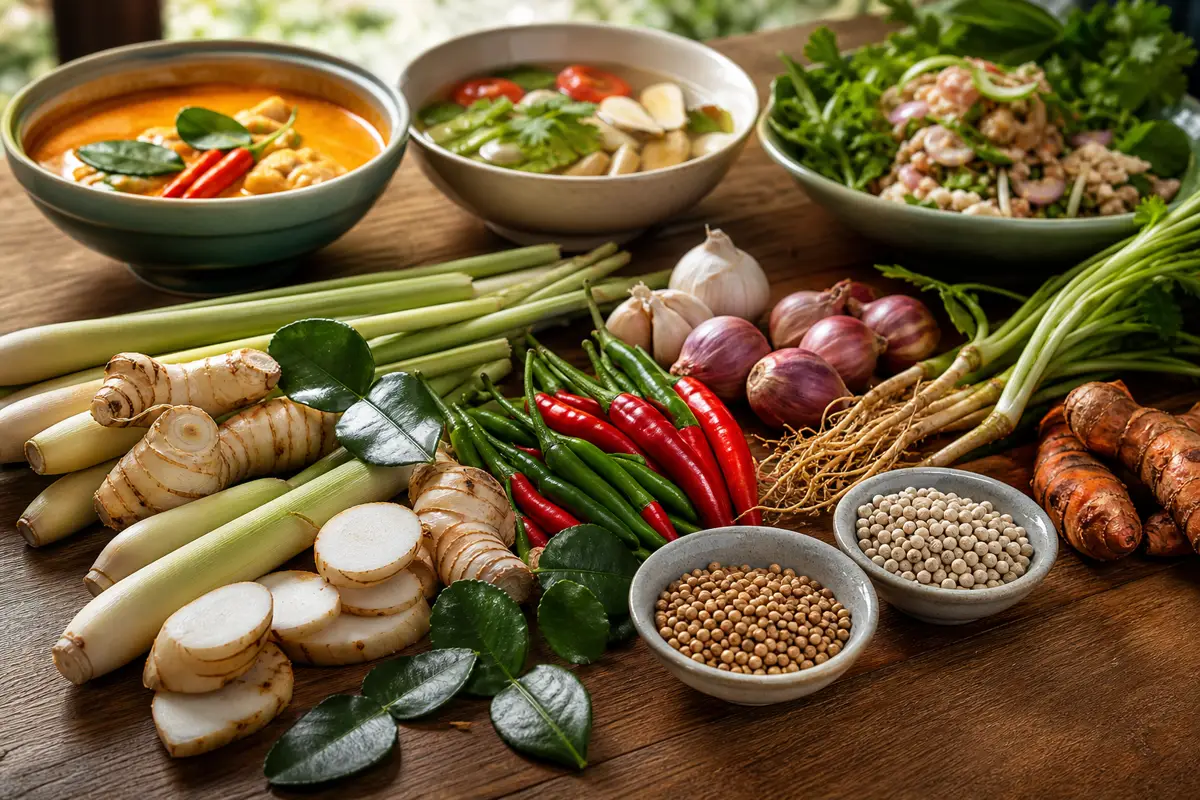
A useful Thai pantry starts with lemongrass, galangal, makrut lime leaves, chiles, garlic, shallots, coriander roots…
Read