
Ethiopian Spices Make Sense When You Learn Their Jobs
Build a small pantry around distinct jobs for berbere, mitmita, korarima, niter kibbeh, and mekelesha.
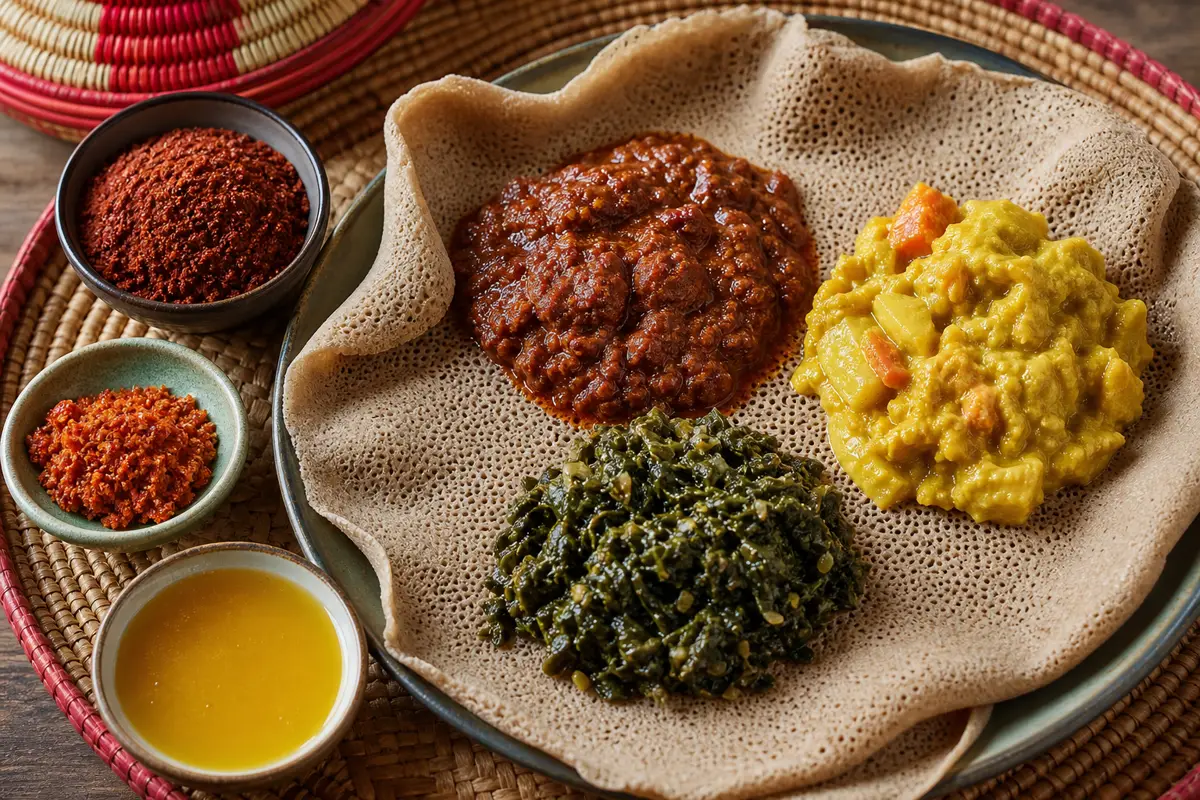
The core Ethiopian pantry is larger than berbere. Berbere builds chile-rich stews, mitmita supplies concentrated table heat, korarima gives smoky citrus aroma, niter kibbeh carries herbs through butter, and mekelesha finishes long-cooked wot with warm spice.
What spices are commonly used in Ethiopian cooking?
Ethiopian cooking commonly uses berbere, mitmita, korarima, fenugreek, cumin, coriander, turmeric, cloves, cinnamon, sacred basil, koseret, and spiced butter.
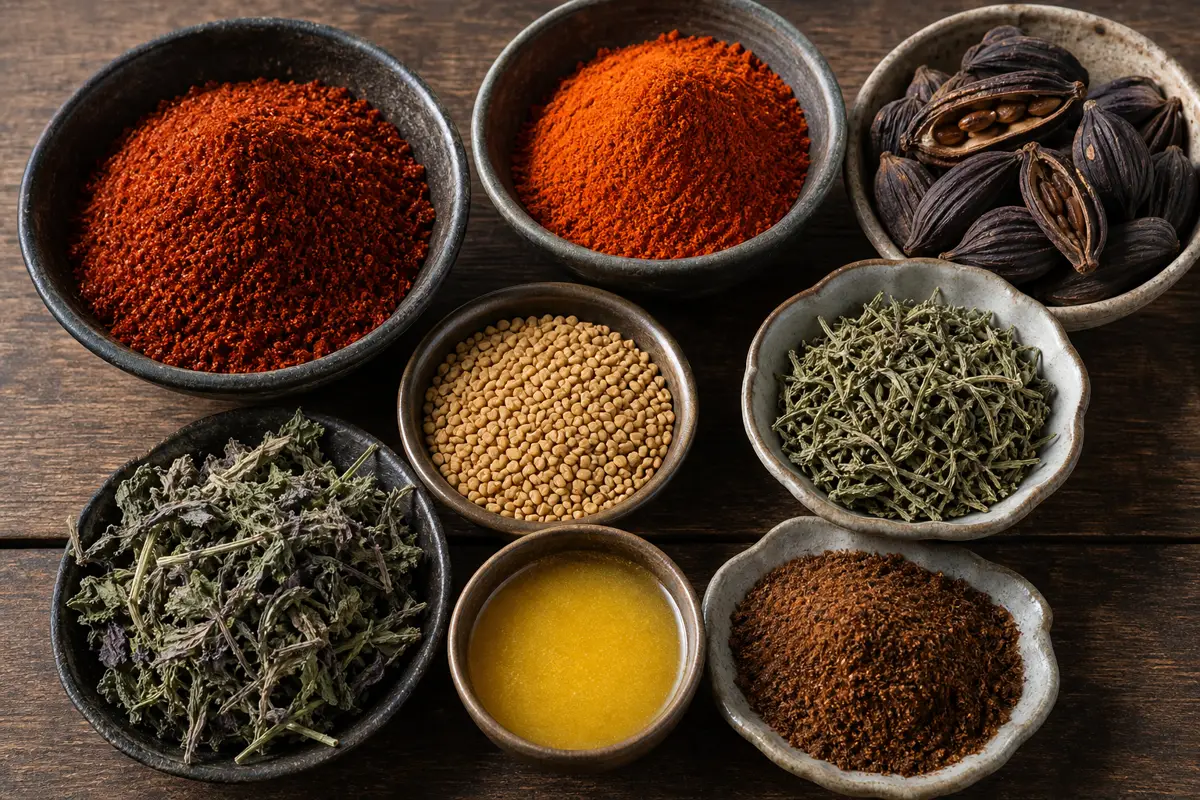
- Stew heat: Berbere
- Concentrated heat: Mitmita
- Smoky citrus: Korarima
- Herbal fat: Niter kibbeh
- Late aroma: Mekelesha
Berbere is the best-known blend, but it is not a universal seasoning. Its chile, fenugreek, ginger, garlic, korarima, and warm spices vary by household.
Mitmita is finer, hotter, and used in smaller amounts. Korarima, an Ethiopian relative of cardamom, gives smoky citrus aroma to blends and spiced butter.
Ground fenugreek seed contributes bitterness, maple-like aroma, and body. Cumin, coriander, ajwain, nigella, black pepper, cloves, and cinnamon play narrower roles.
Koseret and besobela, often called Ethiopian sacred basil, are important in niter kibbeh. Their exact aroma is difficult to replace with one common herb.
Mekelesha is a warm finishing blend that may include korarima, pepper, cinnamon, clove, cumin, and nutmeg. It enters after long cooking preserves its aroma.
| Item | Main job | Common use | Dose pattern |
|---|---|---|---|
| Berbere | Chile-rich stew base | Wot, lentils, meat | Cooked in measured spoonfuls |
| Mitmita | Concentrated heat | Kitfo, tibs, table seasoning | Pinches |
| Korarima | Smoky citrus aroma | Blends, butter, coffee | Seeds or ground |
| Niter kibbeh | Spiced fat carrier | Wot, kitfo, vegetables | Spoonfuls |
| Mekelesha | Late warm aroma | Finished wot | Small final addition |
These ingredients belong within wider world cuisine traditions, but their names and cooking jobs should remain specific rather than flattened into generic African spice.
What is the difference between berbere and mitmita?
Berbere is a broad chile-spice blend cooked into stews. Mitmita is finer, usually hotter, and used sparingly with meat or at the table.
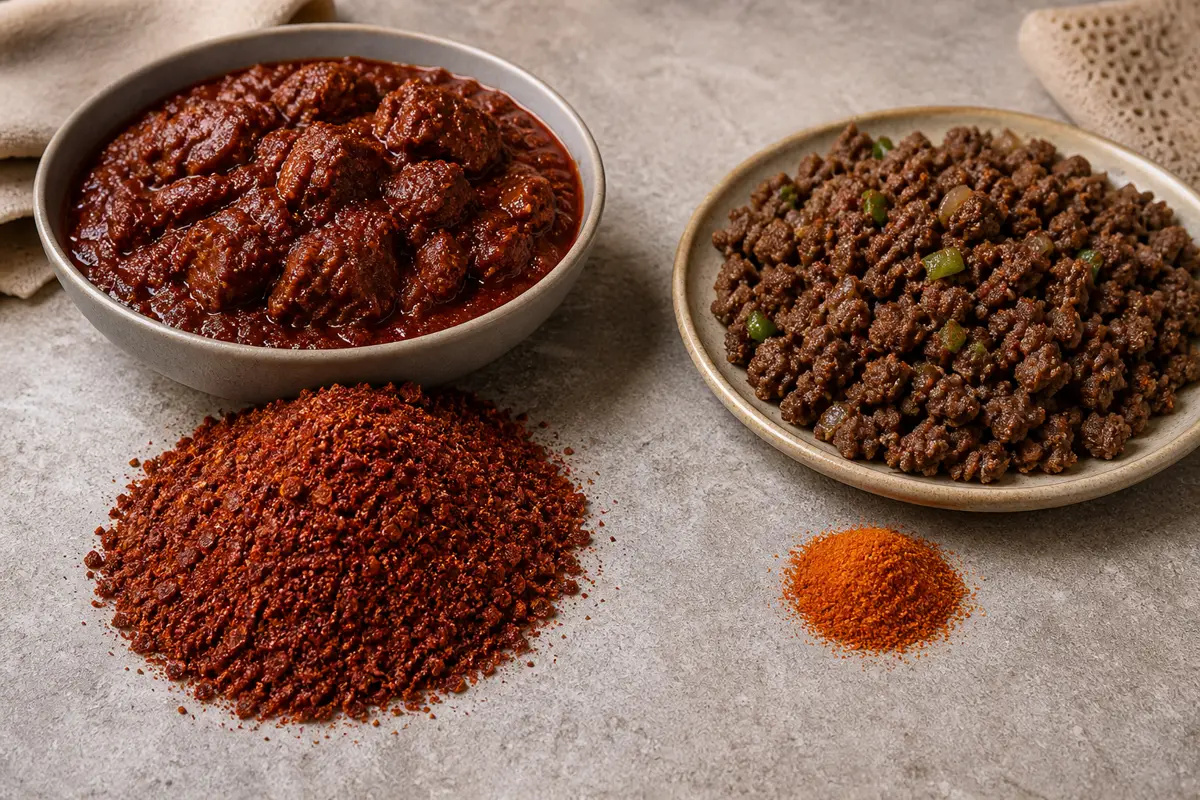
- Berbere: Stew blend, broader spice
- Mitmita: Fine hot blend, smaller dose
- Dose cue: Mitmita starts much smaller
The detailed berbere blend often includes red chile, fenugreek, ginger, garlic, korarima, coriander, and warm spices. Formulas vary widely.
Mitmita commonly centers bird's-eye chile with korarima, cloves, and salt. Its fine grind disperses fast and makes a small pinch feel intense.
Berbere cooks with onion, fat, and liquid until its raw chile edge softens. Mitmita often stays brighter because it reaches kitfo, tibs, or the plate later.
Kitfo commonly combines finely minced beef with niter kibbeh and mitmita. Home cooks should follow trusted food-safety guidance for raw or rare meat.
| Decision | Berbere | Mitmita |
|---|---|---|
| Heat | Moderate to hot | Usually very hot |
| Grind | Fine to slightly textured | Very fine |
| Main timing | Cooked into food | Late or at table |
| Signature use | Wot and lentils | Kitfo and table heat |
| Swap risk | Too broad for a tiny finish | Too hot and narrow for stew volume |
Do not replace equal volumes. When only mitmita is available, add tiny pinches after cooking rather than building a full stew around it.
What is niter kibbeh made with?
Niter kibbeh is clarified butter infused with Ethiopian aromatics such as korarima, koseret, besobela, fenugreek, garlic, ginger, and warm spices.
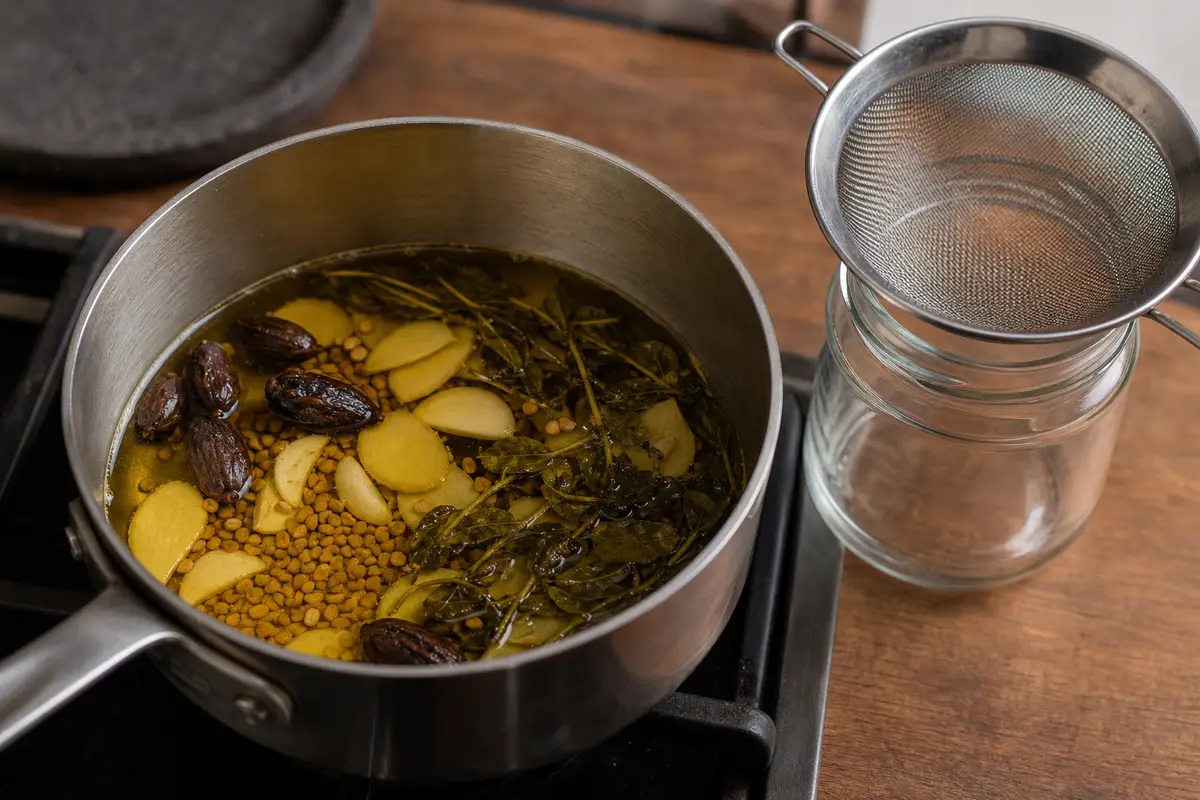
- Fat: Clarified butter
- Aromatics: Korarima, roots, herbs
- Finish: Strained golden fat
Clarification removes water and milk solids before or during infusion. The finished fat carries aroma without leaving coarse spices throughout every dish.
Korarima and fenugreek create a smoky, slightly bitter backbone. Garlic, ginger, cinnamon, clove, or turmeric vary with the cook.
Koseret and besobela distinguish many Ethiopian formulas from ordinary ghee. Replacing them with oregano or basil creates a different butter.
Strain the warm fat after gentle infusion and store it cold in a clean container. Discard butter with mold, rancid odor, or signs of contamination.
Niter kibbeh enriches wot, kitfo, vegetables, grains, and legumes. Its aroma can be added in stages instead of pouring every spoonful at the beginning.
During Ethiopian Orthodox fasting periods, cooks use plant oils instead of dairy fat. Herbs and spices can infuse oil for a vegan cooking path.
The idea resembles the fat-carried spice logic in an Indian pantry, but niter kibbeh's Ethiopian herbs and korarima make it distinct.
What is korarima, and is it the same as cardamom?
Korarima is Aframomum corrorima, an Ethiopian spice with smoky, peppery, citrusy seeds held inside a dark ridged pod.
It belongs to the ginger family and is related to other cardamom-like spices, but it is not ordinary green cardamom or Indian black cardamom.
Crack the pod and grind the seeds shortly before use. Whole pods protect aroma better than preground korarima exposed to air.
In berbere and mekelesha, korarima joins chile and warm spices. In niter kibbeh, it releases its aroma into fat before straining.
| Spice | Main aroma | Physical cue | Substitution consequence |
|---|---|---|---|
| Korarima | Smoky citrus, pepper | Dark ridged pod | Correct Ethiopian profile |
| Green cardamom | Sweet floral citrus | Small green pod | Too sweet and floral alone |
| Black cardamom | Heavy smoke and resin | Large dark pod | Too smoky alone |
| Green plus black cardamom | Floral plus smoke | Mixed pods | Closer in tiny blended amounts |
For a fallback, combine mostly green cardamom with a very small black-cardamom share. Begin below the stated korarima amount and taste.
Buy pods that smell strong when cracked and contain dark aromatic seeds. Reject damp, moldy, insect-damaged, or completely scentless stock.
How are spices layered into Ethiopian wot?
Ethiopian wot develops through long-cooked onions, fat, berbere or mild spices, measured liquid, slow simmering, and a small finishing spice addition.
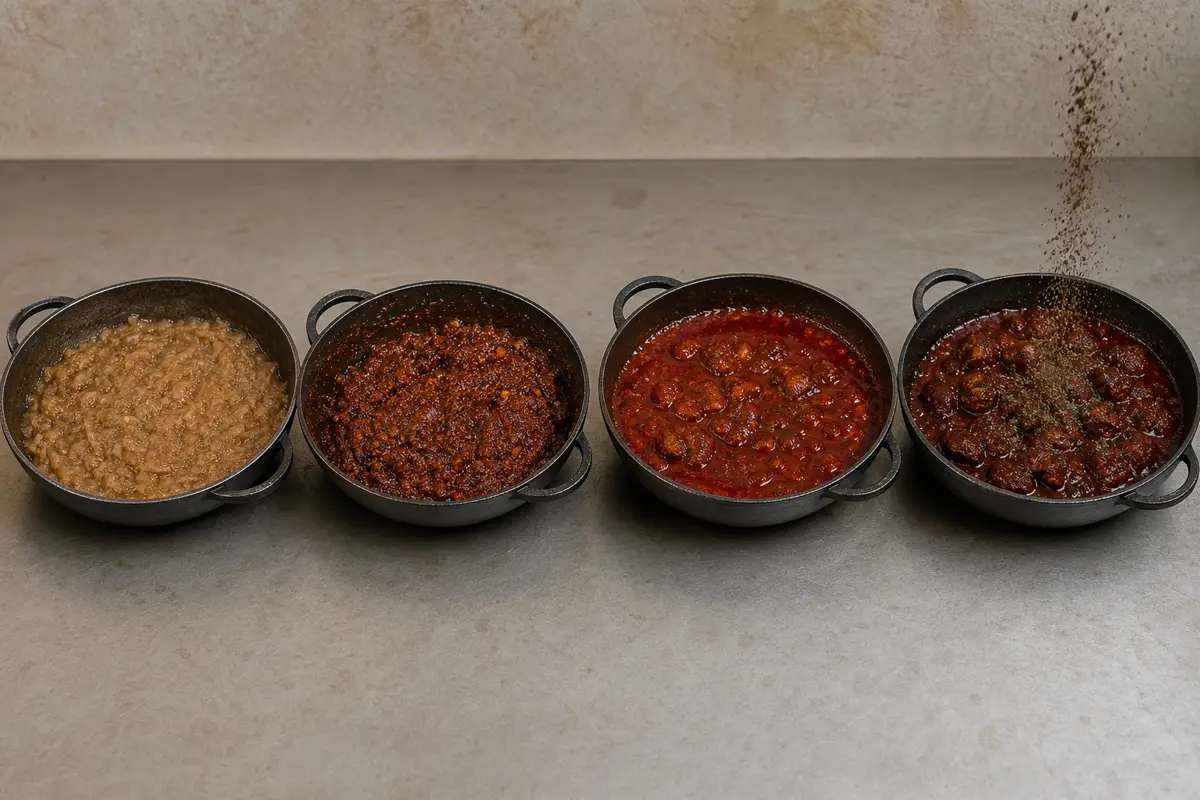
- 1: Reduce onions
- 2: Cook fat and berbere
- 3: Add liquid and simmer
- 4: Finish with mekelesha
Finely chopped onions cook slowly until their water leaves and sweetness concentrates. This stage creates body before flour or cream is considered.
Fat enters with aromatics, then berbere cooks into the onion base. Enough time softens raw chile and lets oil reappear around the paste.
Liquid enters gradually so the onion-spice base remains connected. Meat, lentils, or vegetables then simmer according to the chosen wot.
Niter kibbeh may enter in more than one addition, carrying aroma early and refreshing it later. Plant oil fills the same cooking role in fasting dishes.
- Onion cue: Moisture has cooked away and the pieces form a thick sweet base.
- Berbere cue: Raw chile smell softens and fat appears at the edges.
- Simmer cue: Sauce clings to the main ingredient without tasting pasty.
- Finish cue: A small mekelesha addition remains fragrant after resting.
Mekelesha enters near the end because its pepper, korarima, cinnamon, clove, cumin, or nutmeg aromas fade through long simmering.
Rest the finished wot briefly before judging heat and salt. Thick onion sauces hold heat differently from a thin broth.
Is all Ethiopian food spicy?
Not all Ethiopian food is hot because alicha dishes use turmeric, ginger, garlic, mild aromatics, and fat without a large berbere dose.
Kik alicha uses split peas with turmeric and aromatics for a mild yellow dish. Heat can remain optional at the table.
Vegetable dishes such as gomen or cabbage preparations may emphasize garlic, ginger, turmeric, or mild chiles rather than berbere.
Fasting food avoids animal products and can use oils, legumes, greens, vegetables, and grains with either hot or mild seasoning.
| Path | Spice focus | Examples | Heat control |
|---|---|---|---|
| Berbere wot | Cooked chile blend | Doro wot, misir wot | Choose blend and dose |
| Alicha | Turmeric and mild aromatics | Kik alicha, vegetable alicha | Little or no berbere |
| Table heat | Mitmita or chile condiment | Kitfo, tibs, shared plate | Add by the pinch |
| Fasting dishes | Oil, aromatics, optional chile | Lentils, greens, vegetables | Varies by dish |
Injera's tang and a shared platter of mild and hot dishes also change heat perception. One spoonful need not define the entire meal.
Serving mitmita separately lets diners raise heat without forcing more chile into every dish. Mild food still depends on careful onion and spice cooking.
Where can you buy Ethiopian spices, and what can substitute?
Buy Ethiopian spices from a trusted Ethiopian grocer, specialist importer, or supplier that lists ingredients, packing information, and a usable quantity.
Berbere should smell of chile, fenugreek, ginger, and warm spice rather than only dust. Mitmita should be labeled clearly because its heat is concentrated.
Whole korarima pods protect aroma best. Dried koseret and besobela should retain a distinct fragrance without dampness, mold, or insect damage.
A homemade berbere fallback can combine chile, fenugreek, coriander, cumin, ginger, garlic, korarima substitute, and warm spices. It remains household-specific.
A generic Middle Eastern spice cabinet shares cumin, coriander, cinnamon, and cardamom, but lacks the same chile-herb structure.
Likewise, Moroccan spice blends may supply warm aroma but do not replace berbere, mitmita, korarima, or niter kibbeh.
| Missing item | Fallback | What remains different |
|---|---|---|
| Korarima | Mostly green cardamom plus tiny black cardamom | Less peppery and Ethiopian-specific |
| Koseret | No exact common substitute; use mild lemony herb cautiously | Different floral profile |
| Besobela | Dried basil plus restrained clove-like warmth | Not Ethiopian sacred basil |
| Niter kibbeh | Ghee infused with available aromatics | Missing rare herbs |
| Mitmita | Hot chile, cardamom, clove, salt | Chile and korarima differ |
Store powders airtight and dark, and buy small amounts. Freeze well-wrapped rare dried herbs only when the supplier recommends it and moisture stays excluded.
Which Ethiopian spices should a beginner buy first?
A beginner should buy good berbere first, then niter kibbeh or its spice mix, korarima, turmeric, and mitmita only when concentrated heat is wanted.
Berbere opens red lentil and onion-based stews without requiring every rare ingredient separately. Choose a fresh blend whose heat you can manage.
Niter kibbeh brings several herbs and aromatics through one fat. A vegan cook can begin with a specialist spice packet infused into oil.
Korarima earns a place when you plan to make spiced butter, mekelesha, or a more specific berbere. Keep it whole until needed.
Turmeric provides the mild alicha path, while mitmita is optional for kitfo-style seasoning or table heat. Neither replaces berbere.
| Priority | Buy | Unlocks | Wait when |
|---|---|---|---|
| 1 | Berbere | Wot, lentils, vegetables | Heat level is unknown |
| 2 | Niter kibbeh or infusion spices | Stews, grains, vegetables | Avoiding dairy without oil plan |
| 3 | Korarima | More specific blends and butter | Only one recipe needs a pinch |
| 4 | Turmeric | Alicha and mild vegetables | Already fresh in pantry |
| 5 | Mitmita | Kitfo-style seasoning and table heat | Nobody wants intense heat |
Expand by dish rather than collecting every rare name. Other cuisine regions use some of the same spices for different jobs, so label each jar with its intended dishes.